A RECONNAISSANCE

A RECOINNAISSANCE
1. OKTOBER | 20:00
Hiša filma Gorica / Kinemax
(O.V. eng, sub ita)
Režija Stefan Kruse
29'
Nemčija, Danska
2025
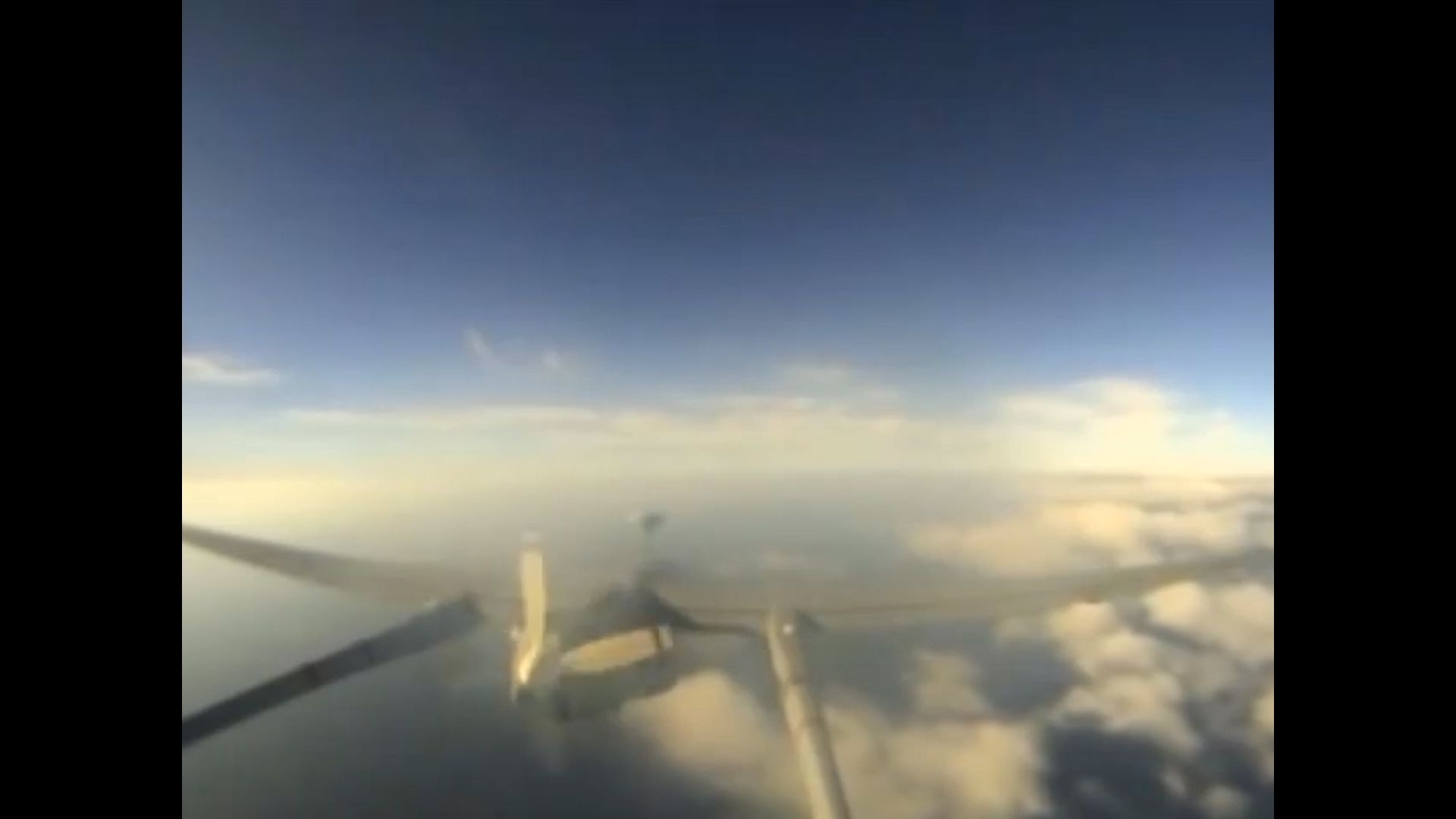
Aprila 2021 je evropska agencija za mejno in obalno stražo Frontex z otoka Malta izvedla prvi testni polet vojaškega nadzornega drona. Heron 1, opremljen s tehnologijo dolgega dosega, je bil namenjen nadzoru južnega Sredozemlja in spremljanju evropskih meja vse do libijske obale.
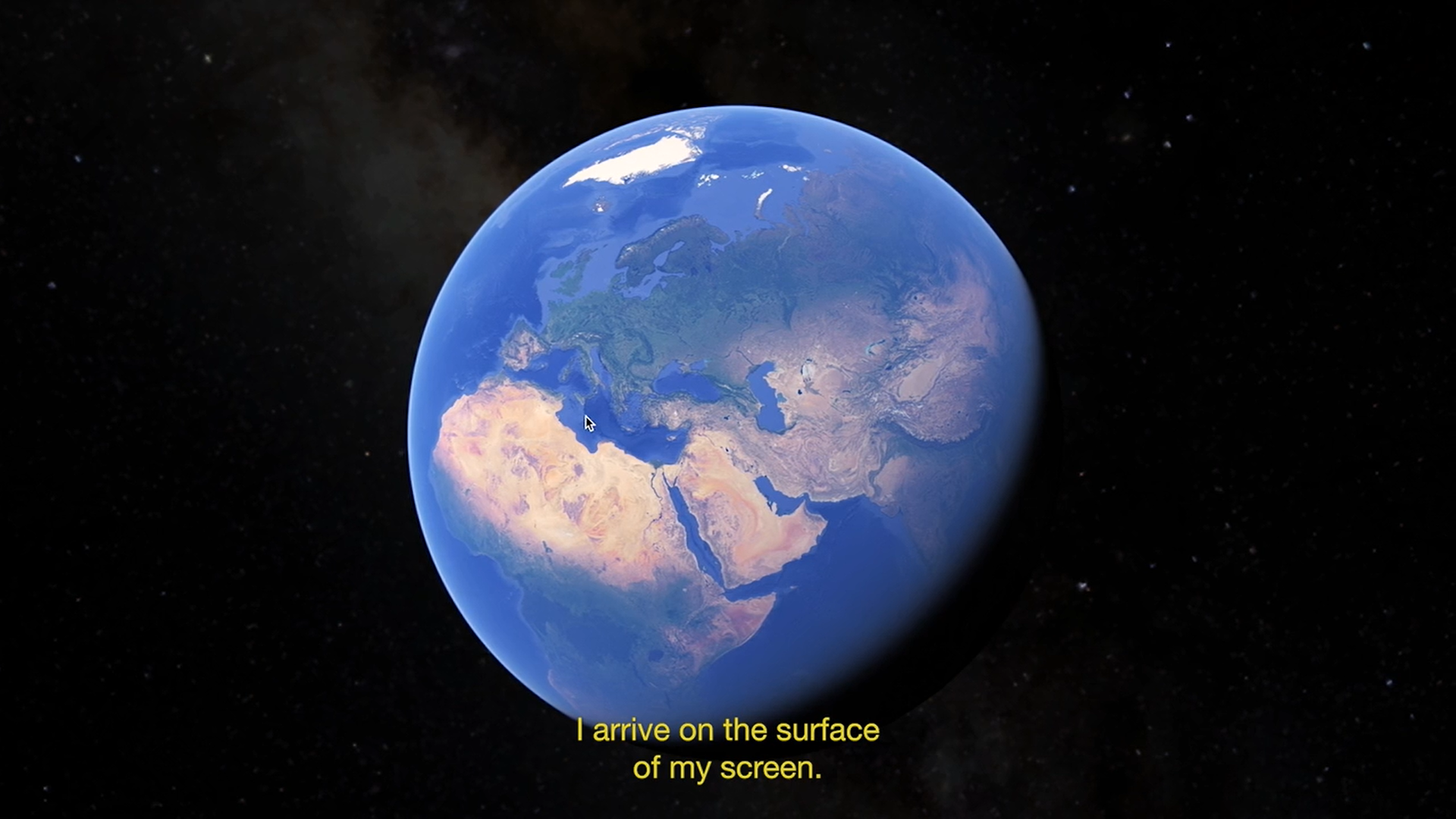
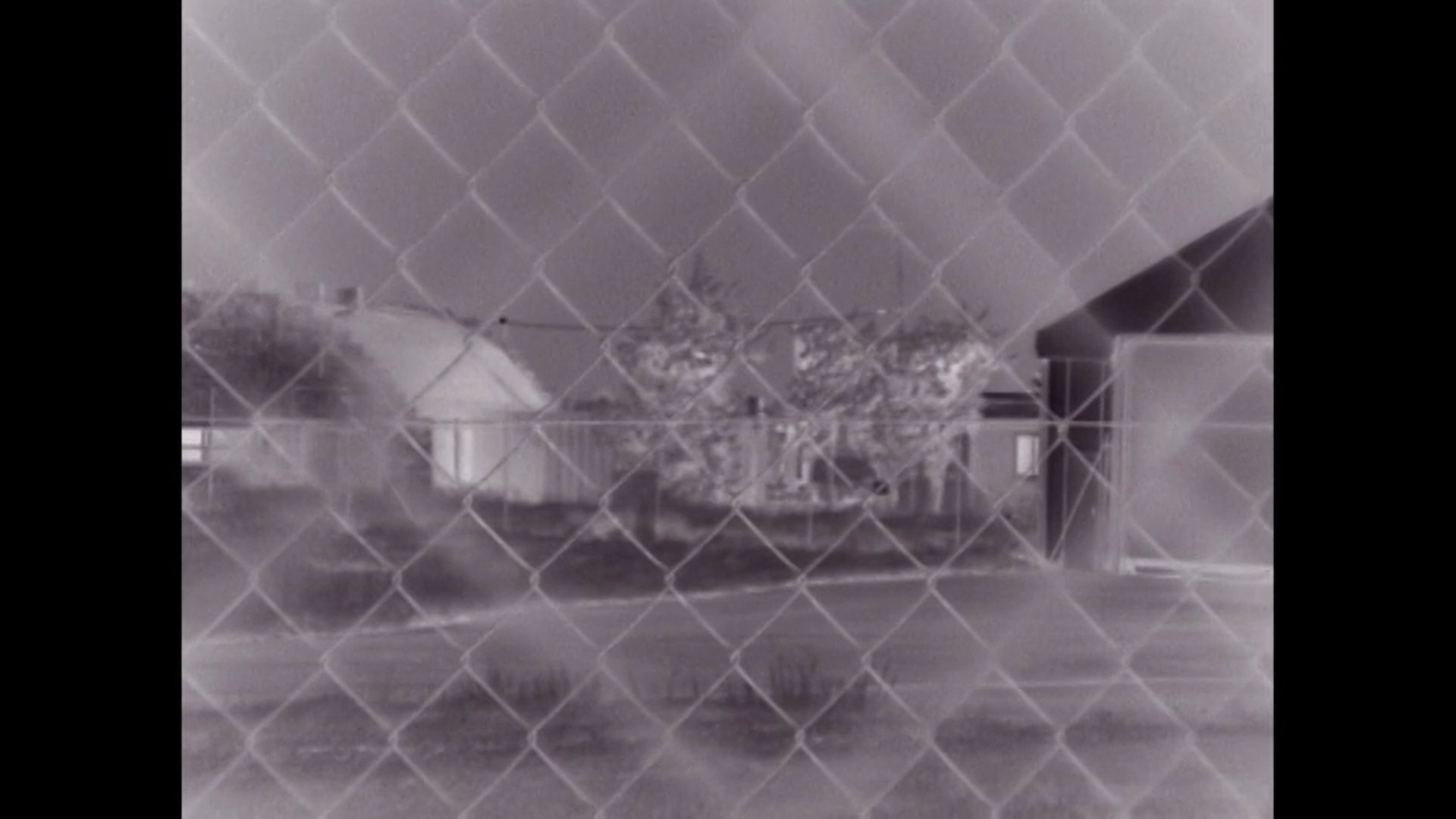
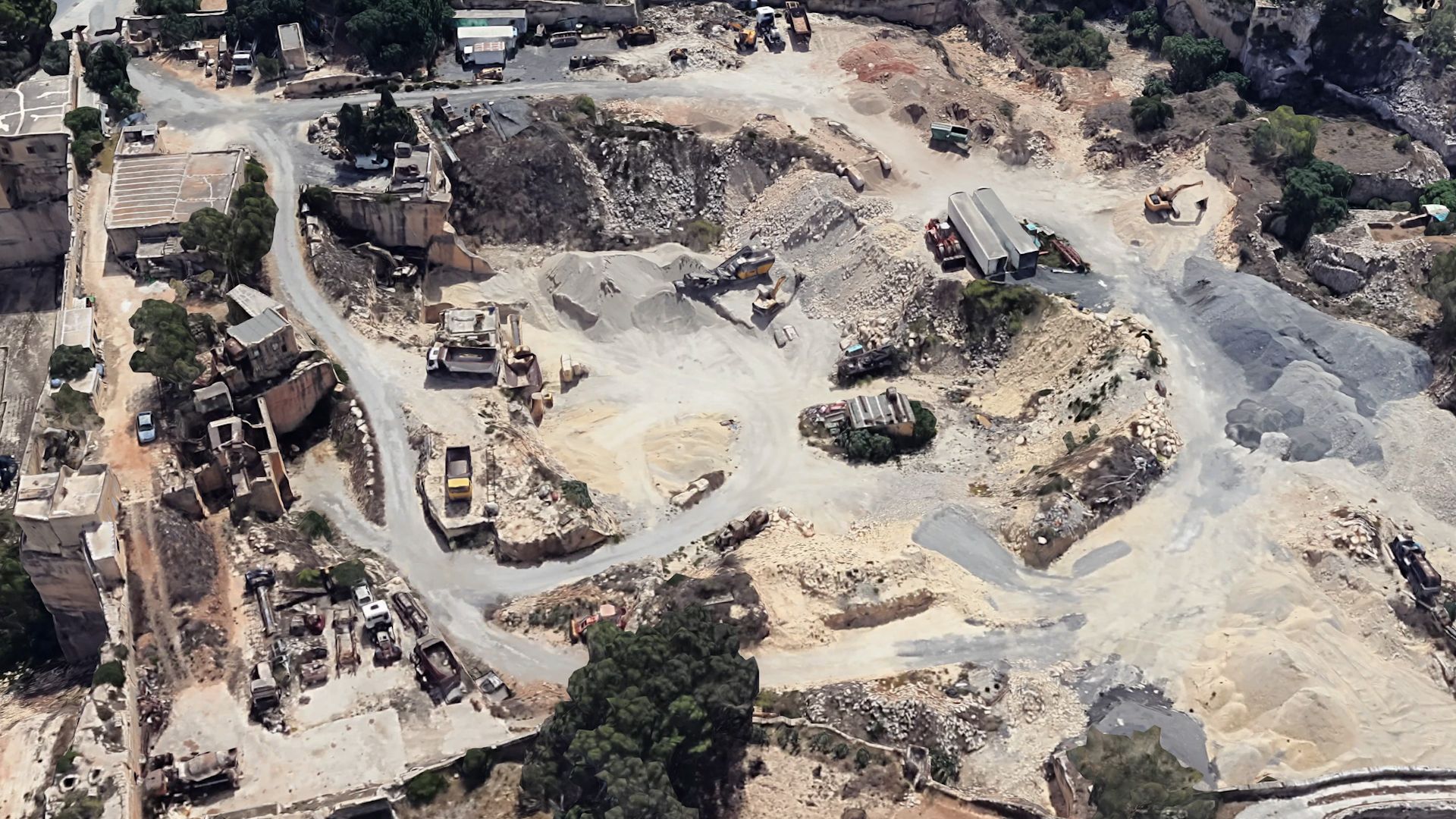
Ker Frontex ni želel odgovoriti na njegova vprašanja, se filmski ustvarjalec Stefan Kruse odpravi raziskovat kraj, od kjer je dron vzletel – »militarizirano pokrajino ograj in nadzornih kamer« – v želji, da bi ga videl in se mu približal. S pomočjo posnetkov Google Earth in snemanjem na terenu na Malti ter ob pomoči lokalnih opazovalcev letal, ki jih je presenetilo njegovo nenavadno zanimanje za dron, začne svojevrstno, špekulativno raziskovanje tega, kaj ta stroj v resnici predstavlja – daleč onkraj tega, kar lahko zaznamo s prostim očesom: nevidne strukture moči, ki delujejo v ozadju in na novo oblikujejo prostor.
Kinematografski esej o militarizaciji nadzornih tehnologij in razmerjih moči, ki so vgrajena v vsako od podob, ki jih te tehnologije ustvarjajo. Ali se lahko upremo tako, da tudi sami odgovorimo s podobami?
About the film:
A Reconnaissance, by Danish director and visual artist Stefan Kruse, is a clear political critique that unfolds lucidly in the form of a video essay. In just under half an hour, the film traces a series of possible trajectories within the vast data-centred landscape in which we are immersed, reflecting on the use of surveillance imagery within it.
The discovery that the European agency Frontex is using a new type of drone, manufactured by the Israeli military contractor IAI, to patrol the waters of the Mediterranean Sea sets the research process in motion. The aerial technology is currently being tested. Its base is located in Malta, not coincidentally on the main migration route from the Libyan coast.
The implications of this news are difficult to verify through field research: indeed, as it is impossible to access the site because the agency thwarts any attempt to approach it, the only option available is to reconstruct an impenetrable reality using indirect images. Kruse confronts the viewer with a question: “What am I actually looking at?”.
The film presents us with a fragmented and asymmetrical way of seeing, which brings together different sources and materials, displaying both the ‘divine’ and aerial perspective that belongs as much to the eyes of military technology and to those opposed to its use in border territories. The use of Google Earth’s hyper-real digital gaze and the graphical representation of aerial coordinates as investigative tools not only provide a synthetic rendering of reality but also call into question our ability to decode visual data, ultimately disorienting and alienating the viewer. As the slogan in the Heron 1 promotional video states, only the drone’s mechanical view point allows for complete control ‘at sea and beyond’.
The opacity of the institution is countered by the community of plane spotters and Kruse’s gaze, which stands alongside it: whilst Frontex operates under a regime of secrecy, the community responds with empirical know-how and a form of ‘counter-surveillance’, redirecting the gaze from the ground upwards. Reconnaissance is reversed, demonstrating that the machine is not invulnerable. The technocratic narrative that describes the Heron as an unaccountable device, ‘handless and groundless’, collapses the moment the object’s fallibility and its dependence on human maintenance are revealed.
Eccentrico Cineclub (Giuseppe Bambagioni, Anna Ragni, Giulia Tornielli, Giulia Zeno)