A RECONNAISSANCE

A RECOINNAISSANCE
OCTOBER 1 | 20:00
Kinemax Gorizia
(O.V. eng, sub ita)
Directed by Stefan Kruse
29'
Germany, Denmark
2025
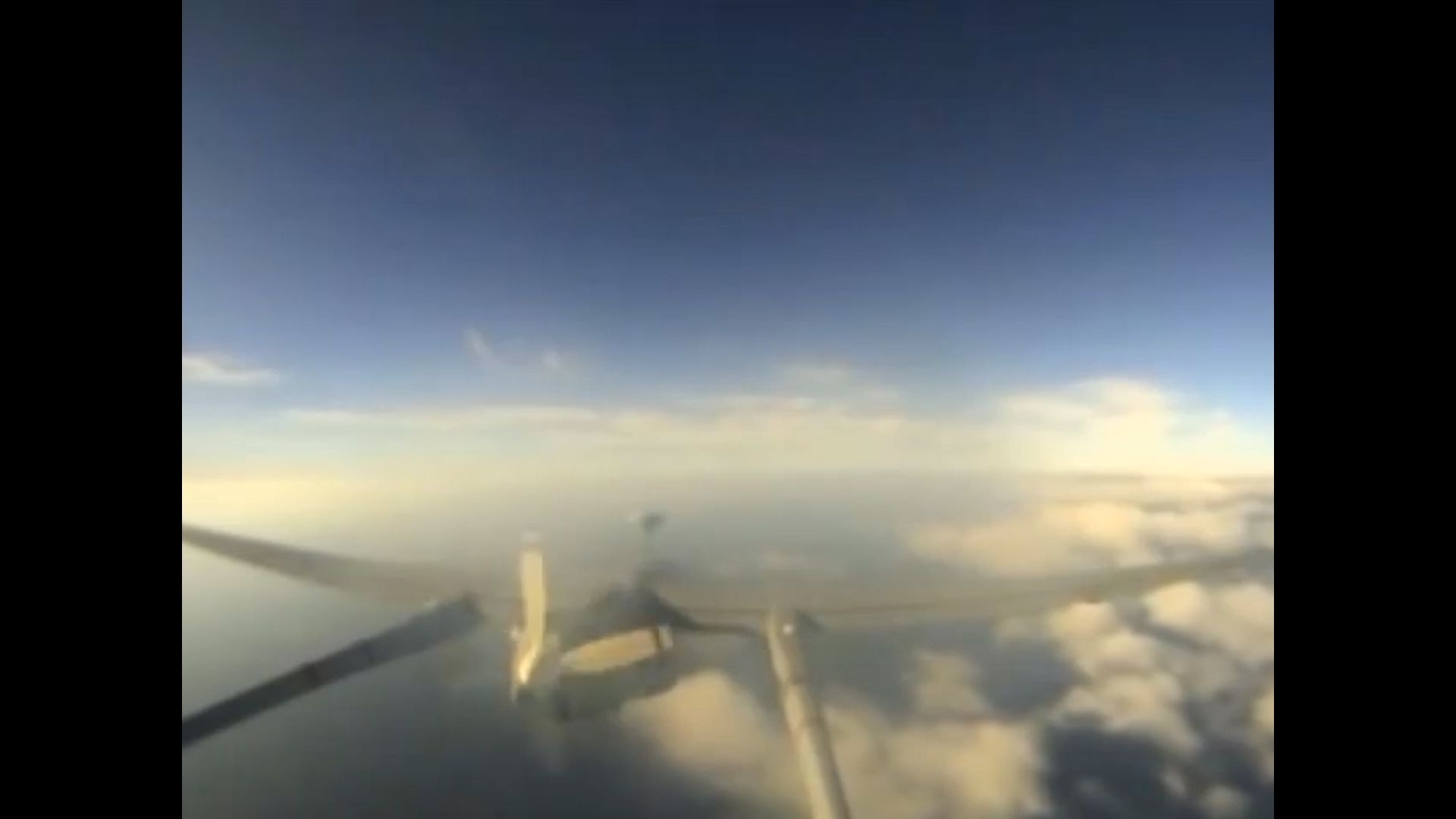
In April 2021, the European border and coast guard agency Frontex, carried out the first test flight of a military surveillance drone from the island of Malta. The Heron 1, equipped with long-range technology, was deployed to patrol the Southern Mediterranean, monitoring the continent’s borders all the way to the Libyan coast.
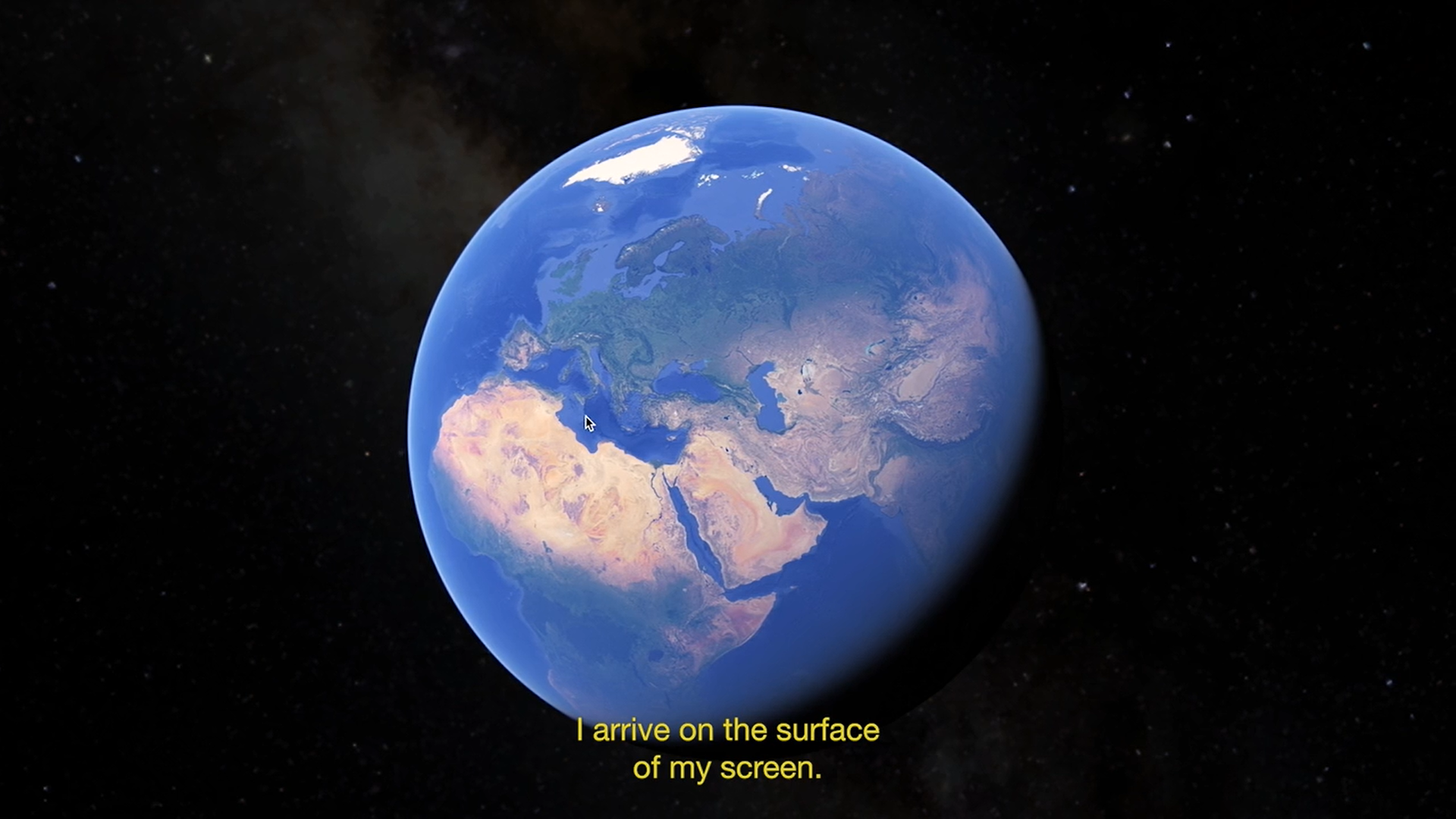
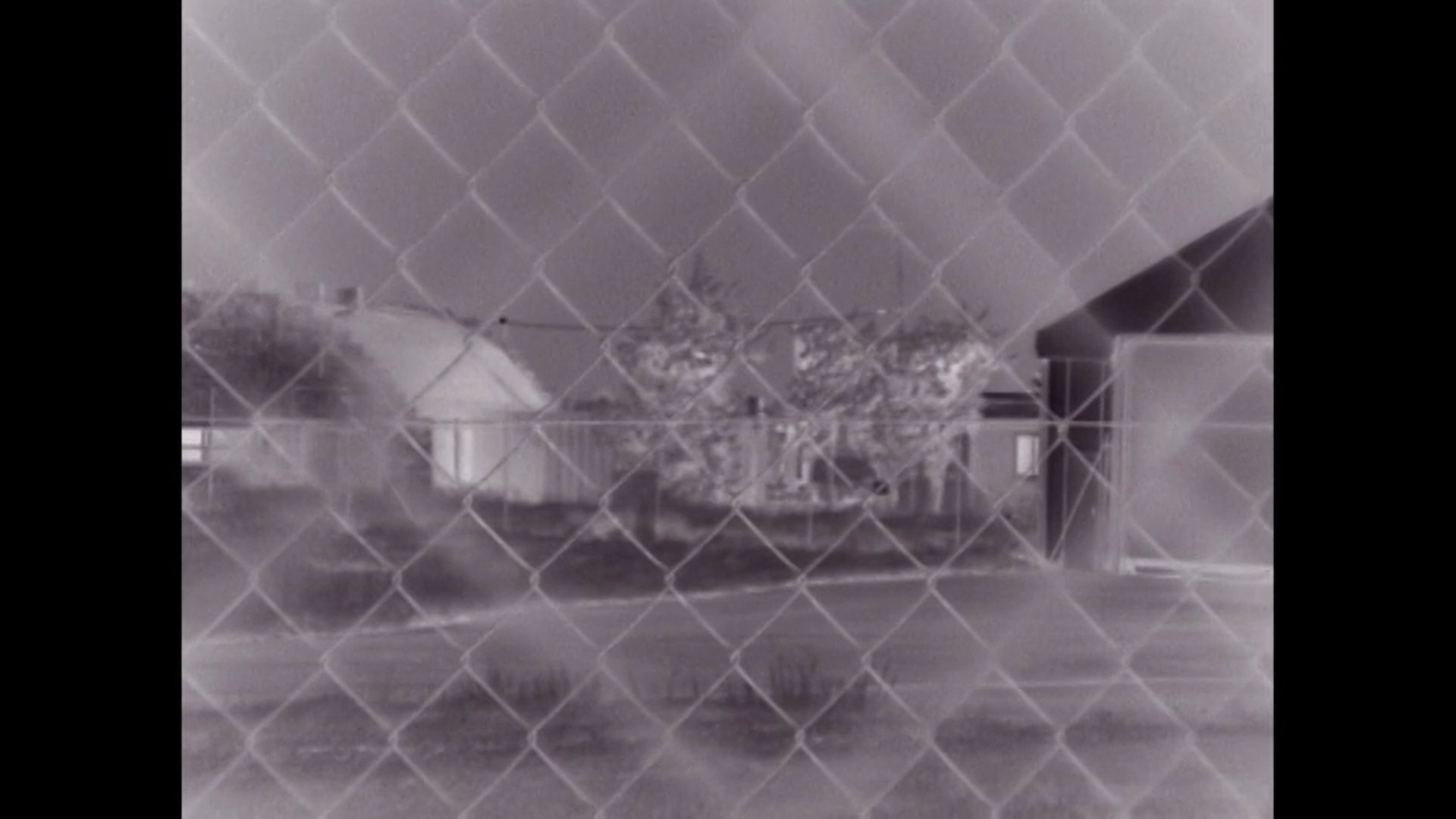
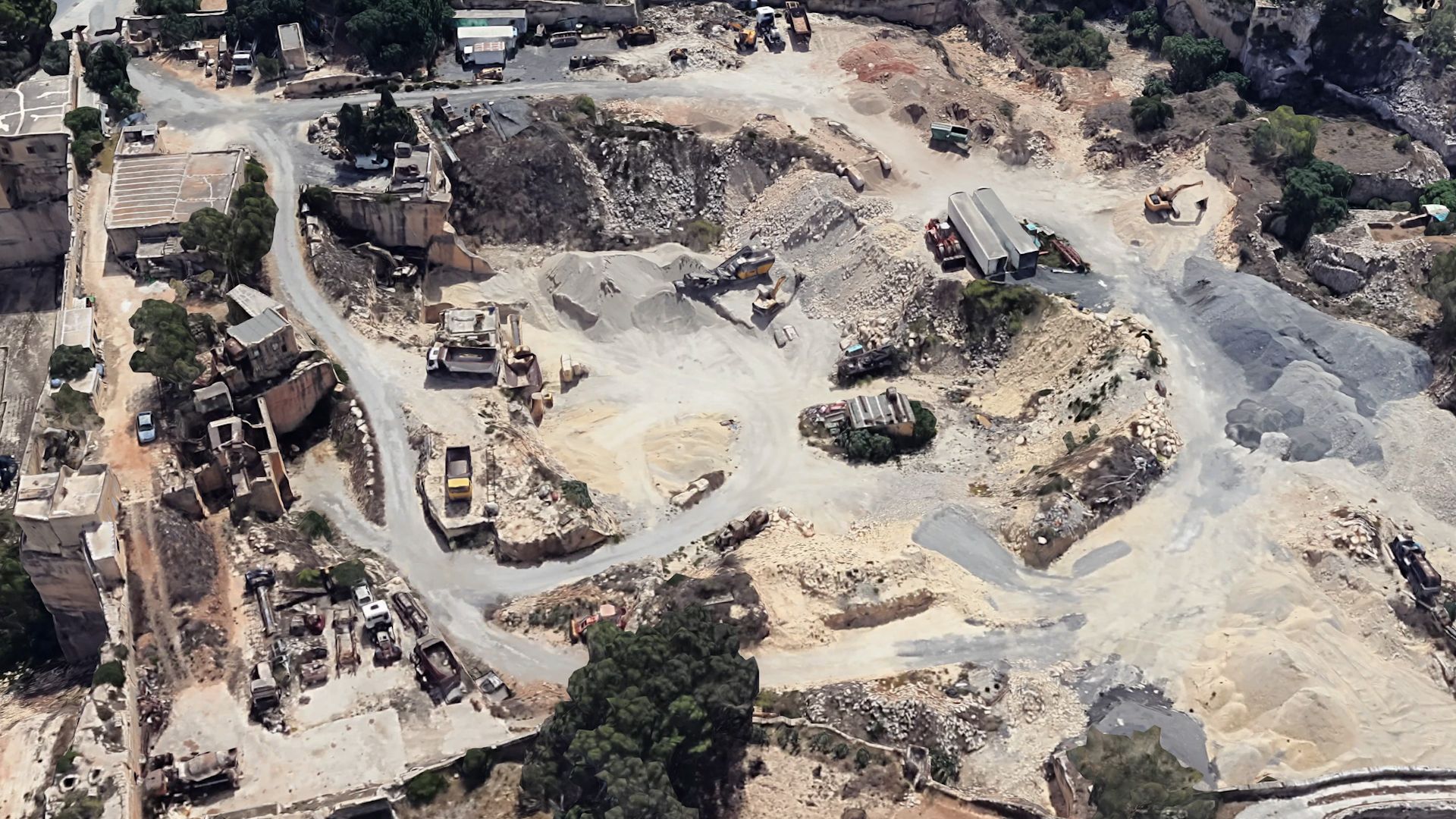
With Frontex refusing to answer his questions, filmmaker Stefan Kruse sets out to explore the drone’s launch site — a “militarised landscape of fences and surveillance cameras” — in an attempt to see it, to get closer to it. Using Google Earth imagery and filming on the ground in Malta, assisted by local plane spotters intrigued by his unexpected interest in a drone, he embarks on a speculative investigation into what this machine truly represents, far beyond what the naked eye can perceive: the invisible structures of power at work that are reshaping the territory.
A cinematic essay on the militarisation of surveillance technologies, and the power dynamics embedded in each of the images they produce. Can we resist by answering back with images of our own?
About the film:
A Reconnaissance, by Danish director and visual artist Stefan Kruse, is a clear political critique that unfolds lucidly in the form of a video essay. In just under half an hour, the film traces a series of possible trajectories within the vast data-centred landscape in which we are immersed, reflecting on the use of surveillance imagery within it.
The discovery that the European agency Frontex is using a new type of drone, manufactured by the Israeli military contractor IAI, to patrol the waters of the Mediterranean Sea sets the research process in motion. The aerial technology is currently being tested. Its base is located in Malta, not coincidentally on the main migration route from the Libyan coast.
The implications of this news are difficult to verify through field research: indeed, as it is impossible to access the site because the agency thwarts any attempt to approach it, the only option available is to reconstruct an impenetrable reality using indirect images. Kruse confronts the viewer with a question: “What am I actually looking at?”.
The film presents us with a fragmented and asymmetrical way of seeing, which brings together different sources and materials, displaying both the ‘divine’ and aerial perspective that belongs as much to the eyes of military technology and to those opposed to its use in border territories. The use of Google Earth’s hyper-real digital gaze and the graphical representation of aerial coordinates as investigative tools not only provide a synthetic rendering of reality but also call into question our ability to decode visual data, ultimately disorienting and alienating the viewer. As the slogan in the Heron 1 promotional video states, only the drone’s mechanical view point allows for complete control ‘at sea and beyond’.
The opacity of the institution is countered by the community of plane spotters and Kruse’s gaze, which stands alongside it: whilst Frontex operates under a regime of secrecy, the community responds with empirical know-how and a form of ‘counter-surveillance’, redirecting the gaze from the ground upwards. Reconnaissance is reversed, demonstrating that the machine is not invulnerable. The technocratic narrative that describes the Heron as an unaccountable device, ‘handless and groundless’, collapses the moment the object’s fallibility and its dependence on human maintenance are revealed.
Eccentrico Cineclub (Giuseppe Bambagioni, Anna Ragni, Giulia Tornielli, Giulia Zeno)