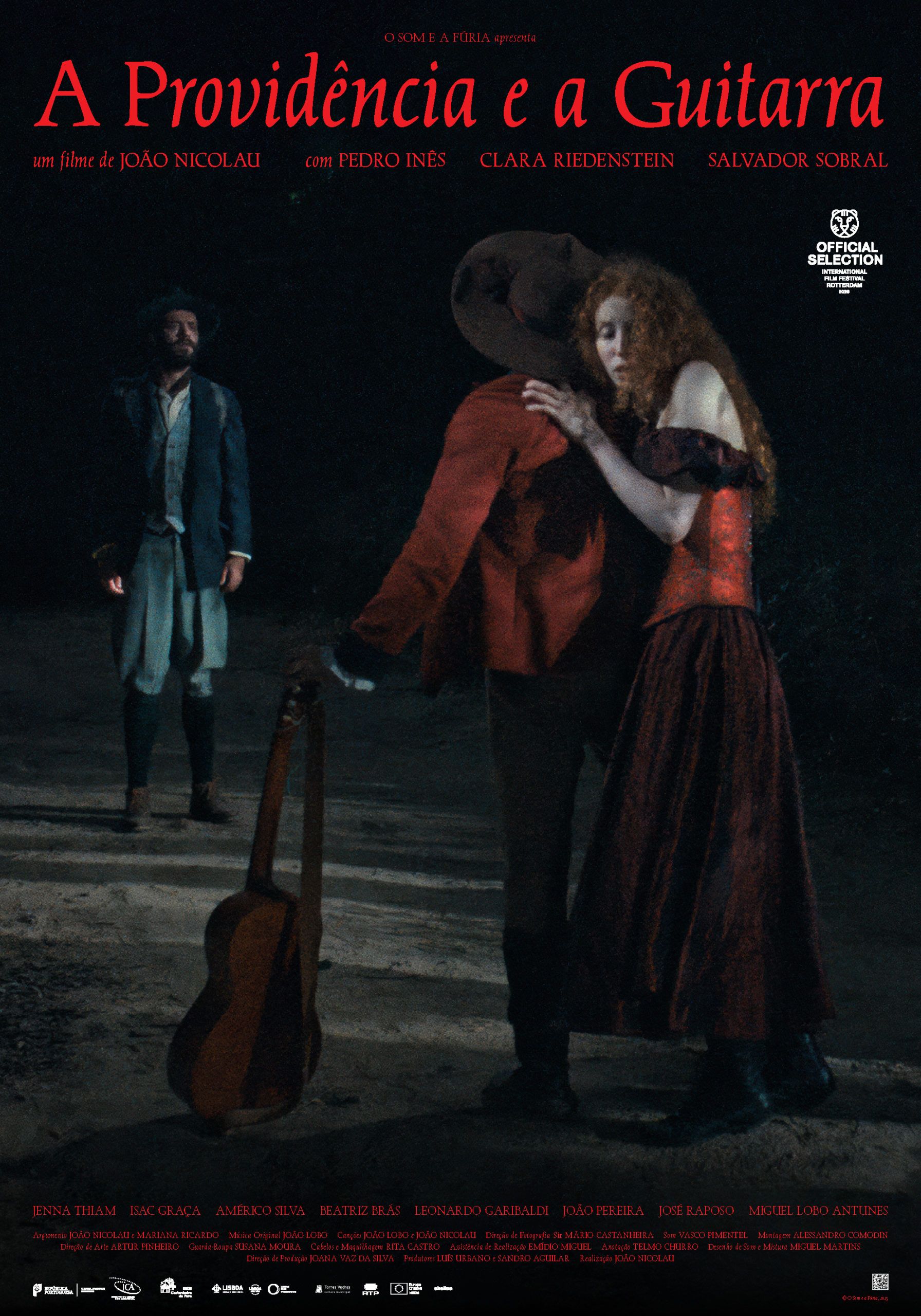
PROVIDENCE AND THE GUITAR

A PROVIDÊNCIA E A GUITARRA
OCTOBER 3 | 19:30
Kinemax Gorizia
(O.V. pt, sub ita & eng)
Directed by João Nicolau
125'
Portugal
2026
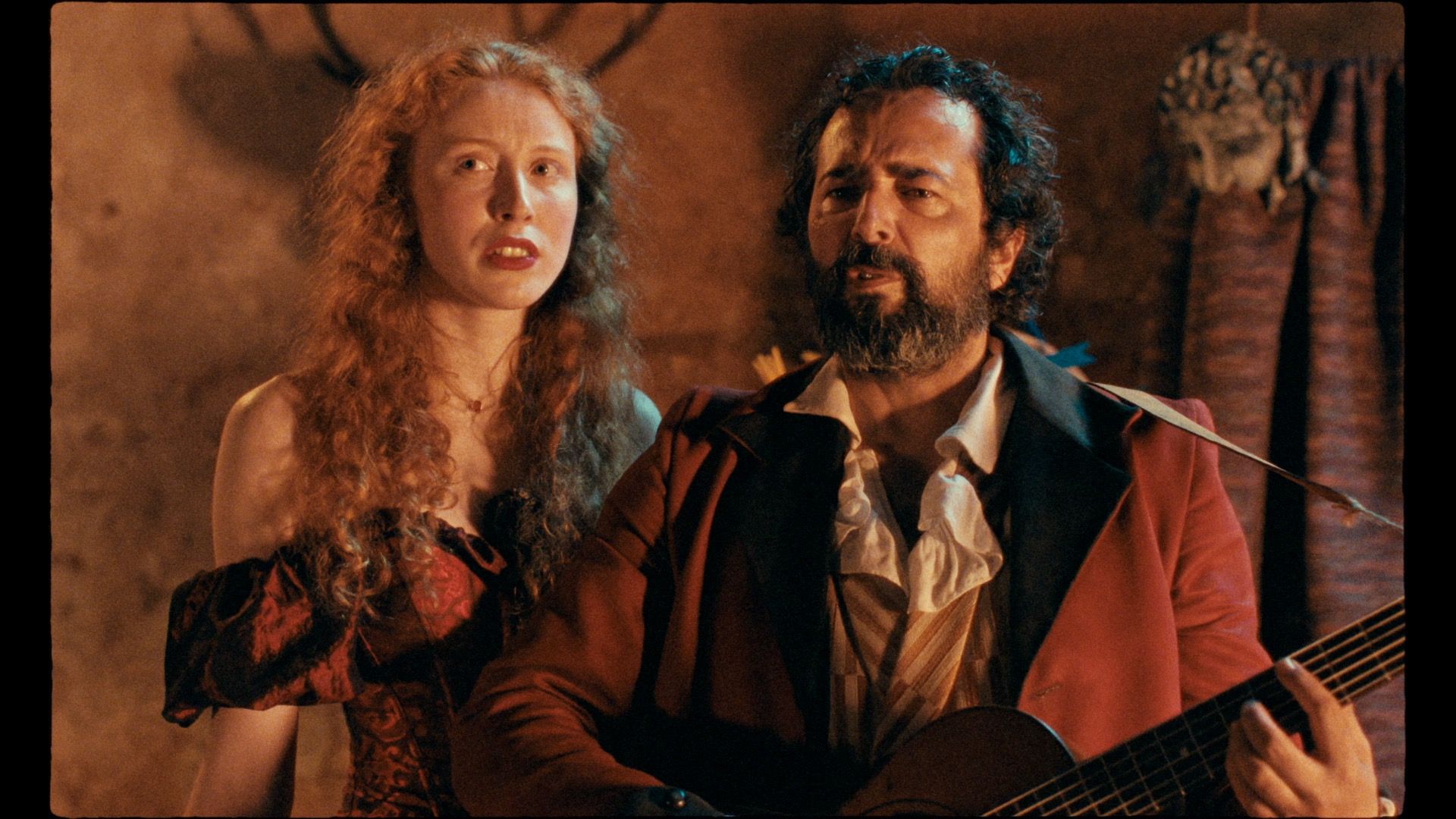
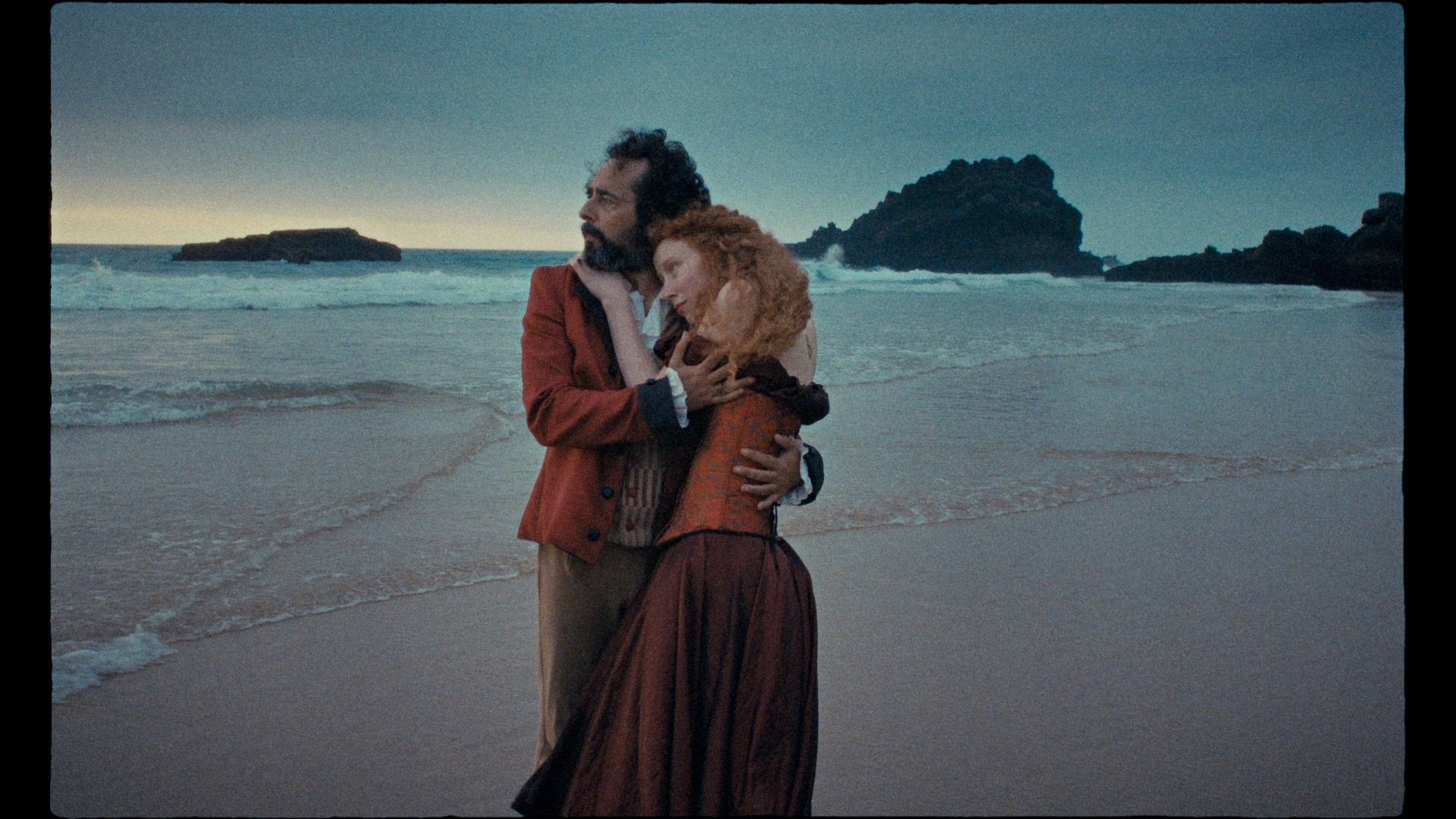
In a distant past, Léon and Elvira Berthelini, itinerant artists, make their living hopping from town to town. In Covarronca, harassed by the Police Commissioner, they are forced to spend the night out in the open. That’s when they meet Stubbs, a young Cambridge student, with whom they find shelter in the home of a painter at odds with his wife. In return for the hospitality, they remind their hosts that the love of art resolves the art of love. Meanwhile, an unusual curse sends them on absurd journeys into the 21st century, where the future of social security and of a rock band are at stake.
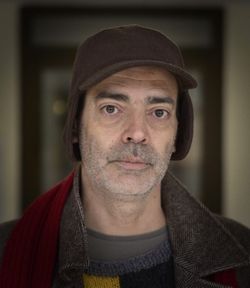
João Nicolau comes from Portugal. He is a director, screenwriter, editor and musician whose films combine humour, music, fantasy and a playful approach to cinematic form. As part of this year’s festival programme, he will present his new film A Providência e a Guitarra and also take part in a conversation about his work.
About the film:
João Nicolau (born in 1975) belongs to that generation of Portuguese filmmakers who grew up with João César Monteiro and Margarida Gil (he worked with both: he edited, for example, Vai e Vem, Monteiro’s final masterpiece). He has moved through cinema with a freedom of movement and fluidity that have led him to work as an actor with Eugène Green, among others, and as an editor on films by his friend Miguel Gomes and by Alessandro Comodin (who, in turn, edits Nicolau’s films), in a dynamic exchange of roles that testifies to a rather unique kind of cross-disciplinary communal vitality in these times, when fierce individualistic competition usually prevails and everyone tends to look after their own patch and their own name. In this sense, Nicolau is a counter-current spirit, little inclined towards self-assertion, the author of an exploratory cinema that is also in search of its own meaning: a non-consolatory, dialectical cinema in which actors are called upon to participate in the act of creation, in the construction of the film.
His latest work, A Providência e a Guitarra (Providence and the Guitar, 2026), inspired by Robert Louis Stevenson’s short story, is a mischievous apologue about the artistic vocation, the possibility of making a living from art, and the ways in which art can become part of both collective and individual life—a crucial question today if we are talking about independent culture. A Providência e a Guitarra has an open form, an open structure that allows it to continually reshuffle time, the past and the present, reversing and confusing them (so that, for instance, the present takes the form of a flashback). Nothing is explained, narratively speaking, about this present in relation to historical time. And the fact that it remains unexplained suggests that the characters, and the actors who bring them to life, function as phonemes (a variation on the “models” evoked by Robert Bresson in his Notes on the Cinematographer), and that the entire language of the film is composed of physical elements—bodies, places, objects—whose interweaving constitutes the dialectical force, beauty and poetry of such an eccentric work.
And yet his is, at heart, a simple cinema, in which mise-en-scène requires neither formal nor technological tricks. It needs truth; it knows how to inhabit the ambiguity of the questions that concern the present, collective life, and cinema in its most vital form.
Donatello Fumarola