PADRONE E SOTTO

PADRONE E SOTTO
2. OKTOBER | 20:30
Hiša filma Gorica / Kinemax
(O.V. ita, sub eng)
Režija Roberto-C.
83'
Italija
2025
V Neaplju je družbeni položaj v mestu nenehno predmet javne razprave: kot nenehno izredno stanje, prikrito nasilje ter trpljenje, ki ga povzročajo in doživljajo. Njegovi protagonisti so nenehno pod drobnogledom. Pa vendar globlji vzroki teh problemov ostajajo tabu – kot da bi bili nespremenljivi in nespremenjeni skozi čas. Nihče se zares ne sprašuje, od kod izvirajo in kaj je njihovo bistvo. Družbeni položaj tako nikoli ne postane zares politično vprašanje. Če ga želimo razumeti in razkriti, bi nam morda bolj kot orodja, ki smo jih podedovali od Marxa, lahko koristila tista, ki nam jih je zapustil Frantz Fanon.
Zgodba Pia, prekarnega delavca v turizmu, zgodba Ugove družine, ki po umoru sina išče resnico in pravico, ter zgodba brezposelnih, ki so se organizirali in se že leta skupaj borijo za dostojno delo, predstavljajo tri vidike življenjske poti, ki povezuje življenja nevidnih in neslišanih prebivalcev mesta.
About the film:
How to separate the blue of what is lived from the grey of what is suffered, in seven chapters and three episodes. The subject is rebellious Naples. The sulphurous quotations serving as epigraphs to the chapters are by Sontag, Fanon, Sartre, Deligny, Angela Davis, John Berger and Ishmael Reed. The premiere—this is not mainstream cinema—took place in Algiers.
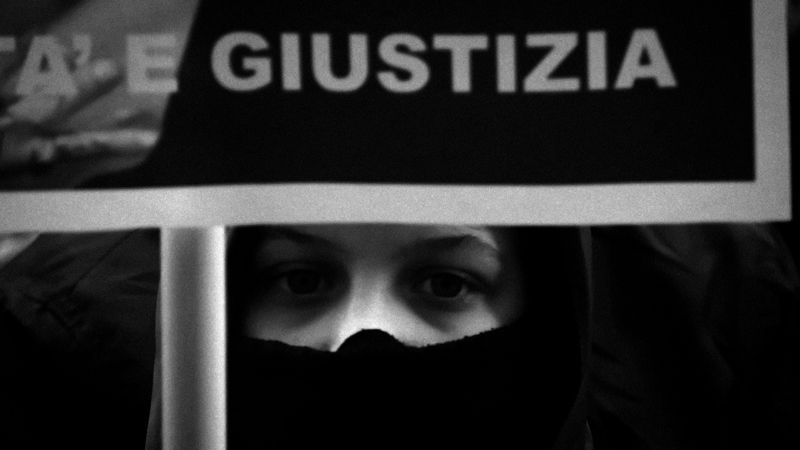
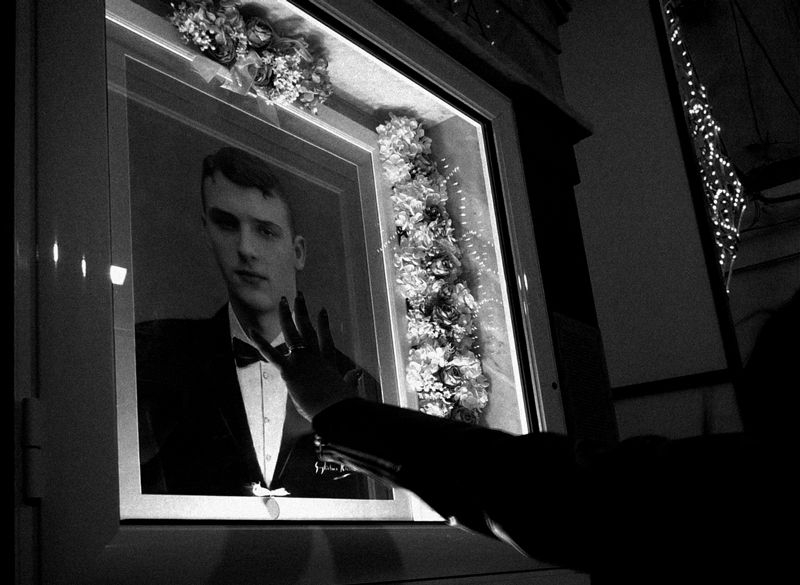
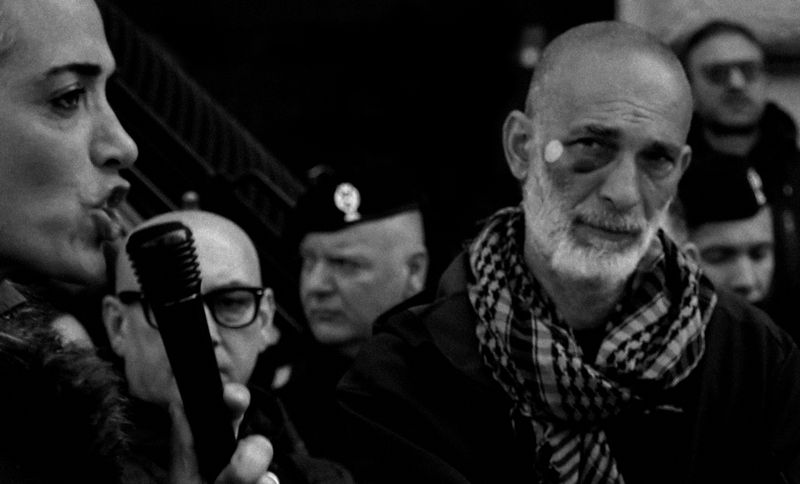
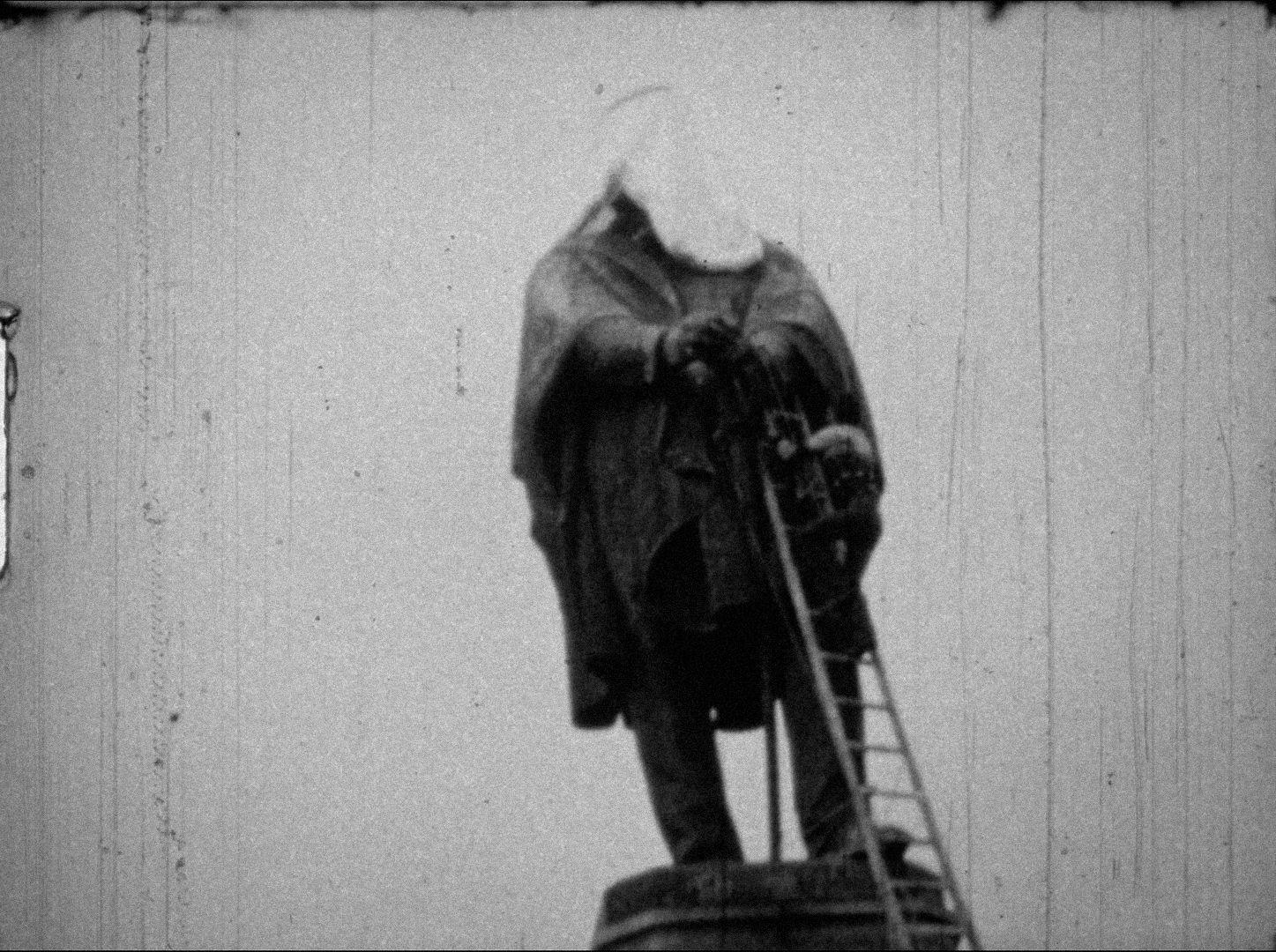
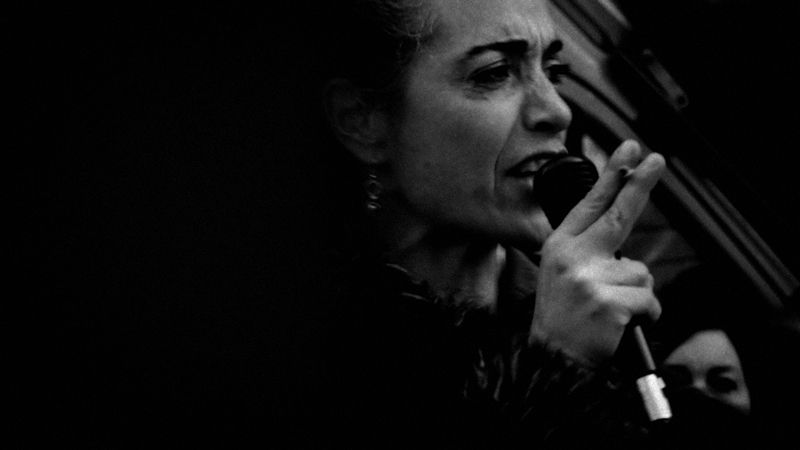
There are three protagonists: Pio, a former rapper, a “flexible worker”, whose existence is more invisible than precarious, open to the world like Troisi in Ricomincio da tre (I’m Starting from Three); Ugo, an unlucky teenage robber killed in 2020 by a “Rolex addict”. The neighbourhood residents demand justice, but only the Madonna dell’Arco listens to them; the death penalty is not appropriate for crimes against property. And finally, the “7 November” Unemployed Workers’ Movement, born in Bagnoli ten years ago: a pragmatic heir to the proletarian children’s canteens of Lotta Continua, which organised the 140,000 Neapolitans without an income and was a cataclysm (judging from the archival footage).
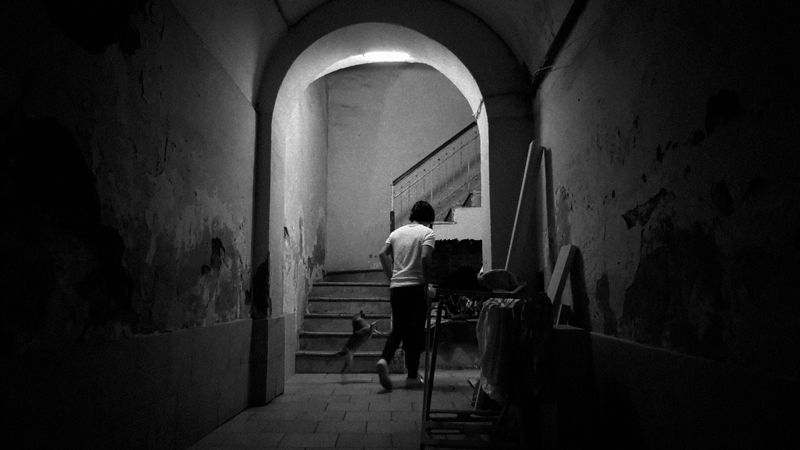
Pio is a thirty-year-old from the Quartieri Spagnoli neighbourhood, and, in voice-over, Pino Musella devotes fragments from Malaparte’s La pelle (The Skin) to him, equally suited to his hellish experience as a precarious worker in the kitchens of Bologna (as witnessed by the bickering with flatmates and colleagues) and, back home, as a municipal night-time cleaner, sanitising public gardens.
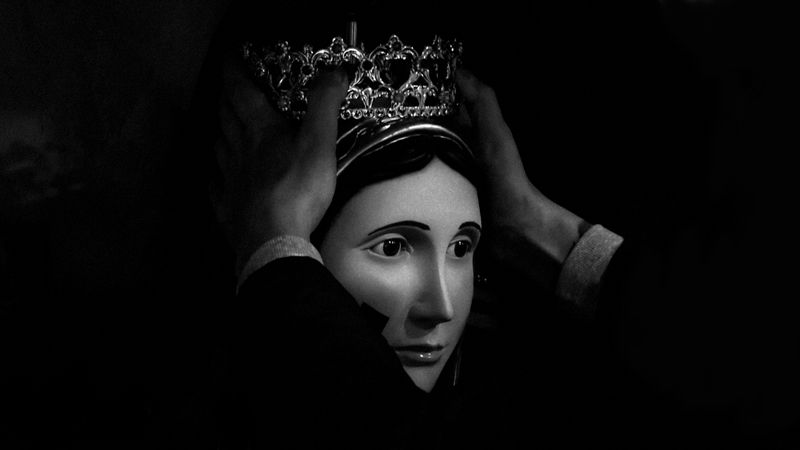
Ugo Russo was fifteen when he was killed during an attempted robbery with a toy gun, pursued by a plain-clothes carabiniere who had transformed himself into a “vigilante of the night”. Ugo’s father has still not obtained a trial, the official Left transgressive outsiders à la Jean Genet, and the authorities decree the removal of the mural in Piazza Parrocchiella dedicated to the boy: but the tricks of cinema show the action in reverse, as if, instead of being erased, the painting were coming back to life.
The “portmanteau movie”, as the English would have it, is a film composed of interlocking episodes. An illustrious genre (Pasolini, Cavani, Zavattini...), the “composite” essay-documentary has flourished again in recent years (D’Anolfi and Parenti), but here it is bent to the demands of collective commissioning and to the constitutional obligation to “remove” every obstacle to income, a right belonging to everyone.
Roberto-C. rises again from the suicide decreed by the duo “cyop&kaf” in 2024, after twenty years of illuminating studies of the dark creativity of the Neapolitan metropolis, art interventions, restored memory, Situationist shocks, and two documentaries that plunged straight into the city’s nervous system: Il segreto (The Secret, 2013), which already followed Pio—returning to him as Michael Apted does with the subjects of his Up film series—and Lievito (Yeast, 2021), about the great bonfire of Sant’Antonio Abate on 19 January. The trilogy closes with Padrone e sotto (Master andServant, 2025), named after a southern Italian card game that stages and mocks the sadomasochistic ritual of domination and submission.
The documentary is not about those who are unyielding victims of oppression, but is made with those who are fighting today, and have fought over the past decades, alone, in communities or as a multitude, and by every necessary means (or trick/magic available), against this reality—a reality that is by no means inevitable, but increasingly violent and brutal. See the recent laws against juvenile gangs, which weaken the powers of juvenile judges, increase police discretion (whereas half a century ago there were calls for the police to be disarmed, and today, despite the “Cucchi cases”, they are instead being handed a gleaming legal shield) and do nothing about the causes of the social horrors from which crimes against property arise. On the contrary, penalties are being tightened for 14- to 18-year-olds who take part in raves, acts of vandalism, robberies or collective acts of violence (but apparently not for provocations, assaults or fascist occupations of homes).
Roberto Silvestro