CELTIC UTOPIA

ÚTÓIPE CHEILTEAC
1 OTTOBRE | 16.00
EPICenter
con sottotitoli in inglese e sloveno
Regia Dennis Harvey, Lars Lovén
90’
Irlanda, Svezia
2025
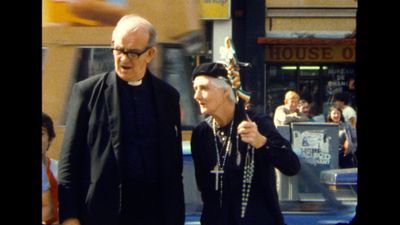
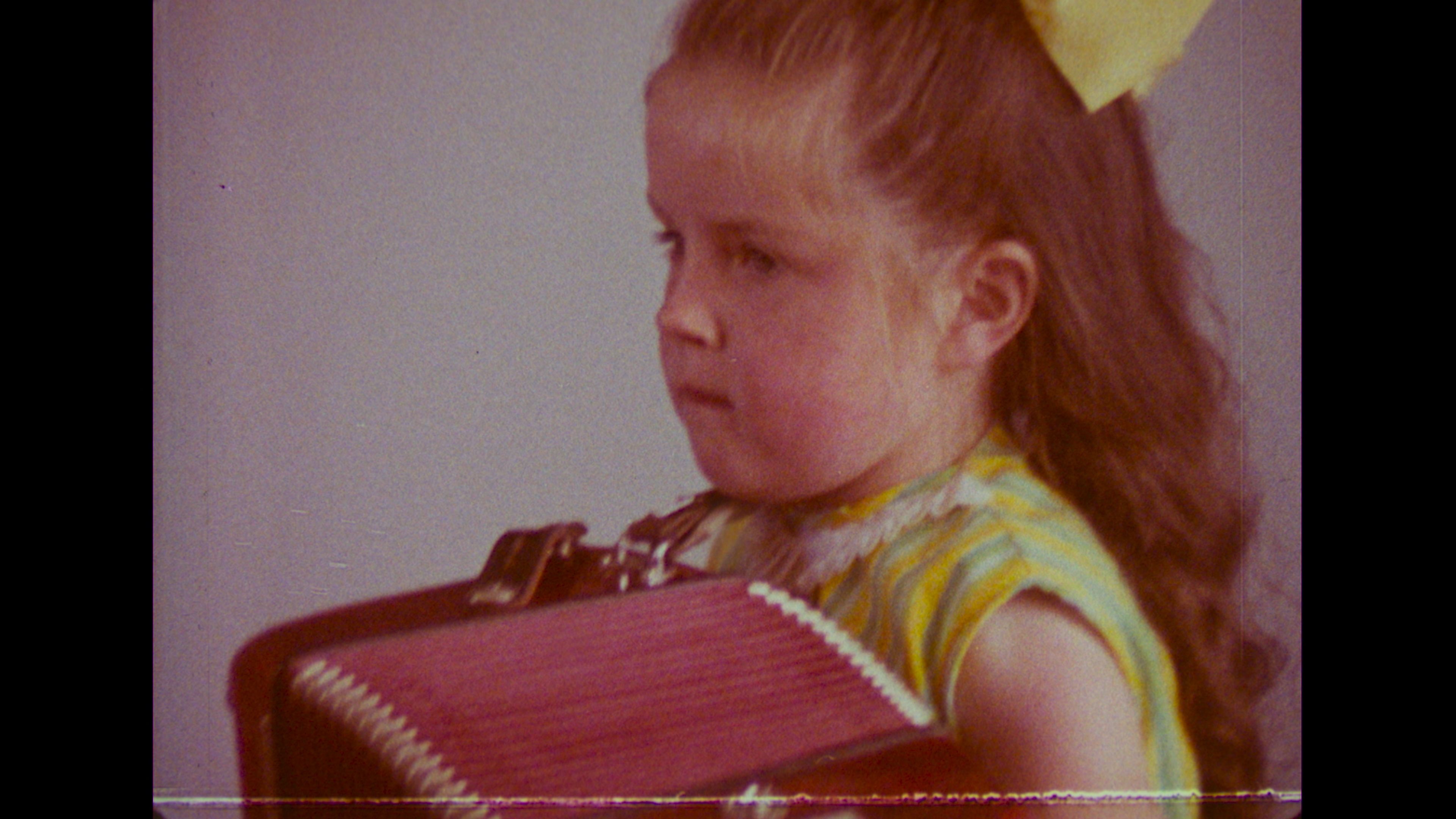
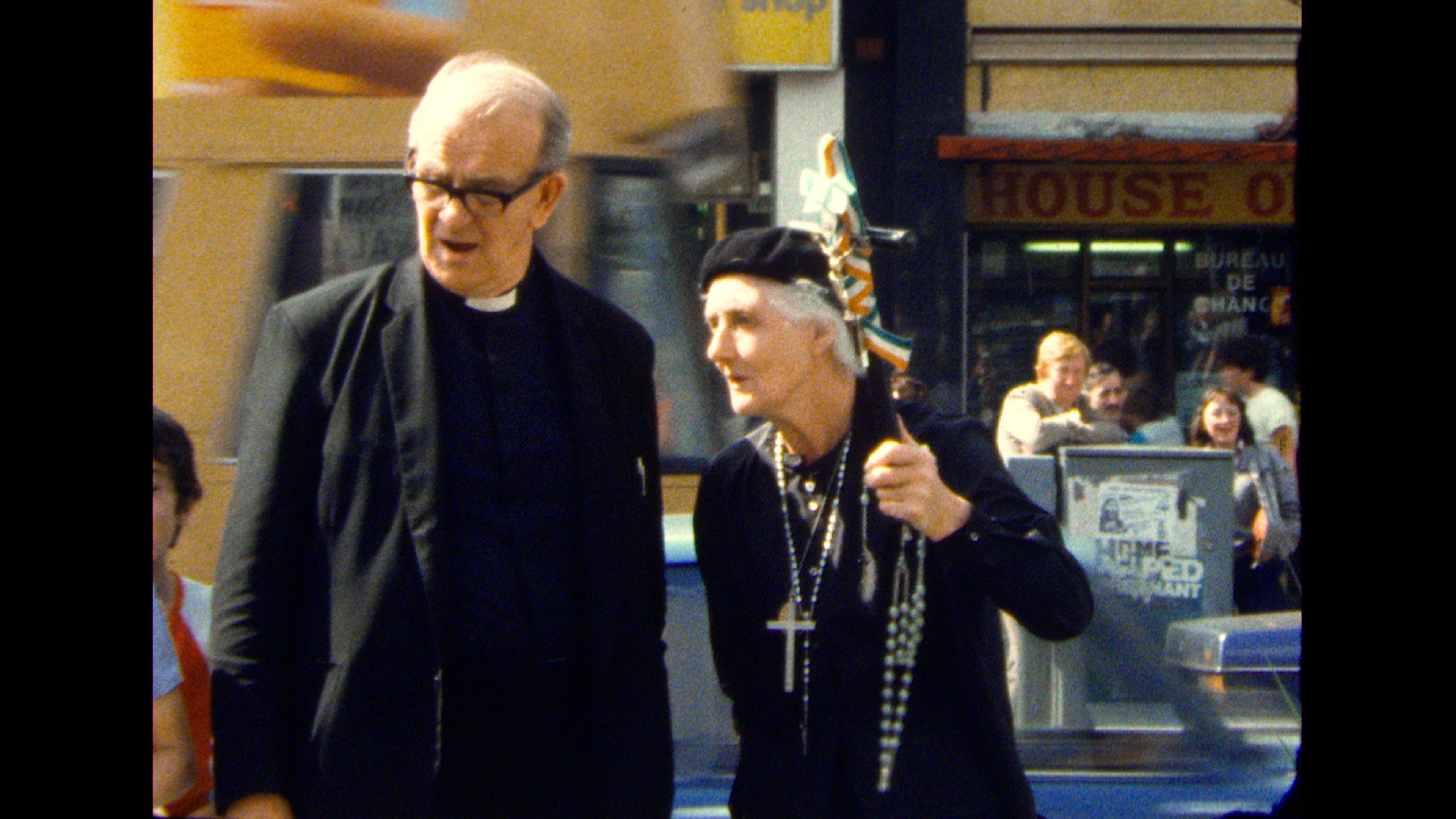
Celtic utopia racconta la storia della nuova Irlanda e della sua vivace scena musicale, ma anche di una società postcoloniale alle prese con la propria eredità. Una società in cui la musica folk porta con sé tanto il peso dell’oppressione del passato quanto il sogno di un futuro migliore. La rinascita della musica folk irlandese coinvolge musicisti provenienti dal punk, dall’hip hop e da molti altri generi, che riscoprono un’antica tradizione e la sviluppano in direzioni inaspettate. Le immagini d’archivio collegano il presente al turbolento passato dell’Irlanda, delineando un ritratto sfaccettato dell’isola a cento anni dalla sua parziale indipendenza.
Dichiarazione del regista, Dennis Harvey:
Sempre più giovani artisti rifiutano il senso di vergogna legato al passato postcoloniale e tornano alla musica folk e tradizionale, trasformandola musicalmente e politicamente in qualcosa di nuovo. In quanto artista irlandese appartenente a una generazione che, dopo il crollo finanziario, è stata abbandonata a sé stessa dalle autorità e dalle loro (mancate) risposte, voglio raccontare la storia della nostra Irlanda. Un’Irlanda che si allontana dal proprio passato oscuro, si ribella al rigido conservatorismo dello Stato e diventa un luogo di cui i giovani possano essere orgogliosi. Non ho mai visto un’Irlanda simile sul grande schermo, ed è per questo che sono estremamente felice di poterla presentare per la prima volta al pubblico.
Dichiarazione del regista, Lars Lovén:
Dopo l’indipendenza, la musica tradizionale e folk è stata uno strumento per costruire l’identità nazionale e porta quindi in sé tutto ciò che ha plasmato l’Irlanda contemporanea, conservandone al contempo gli elementi tradizionali. (…) Mi ha entusiasmato vedere arrivare sulla scena sempre più vivace della musica tradizionale e folk artisti provenienti da generi come l’hip hop e il punk. Quando ho iniziato a conoscere meglio la musica tradizionale irlandese in tutta la sua complessità, con le sue tensioni e contraddizioni, ho capito che cosa stessero realmente facendo. La musica tradizionale non è soltanto una fonte di ispirazione: questi artisti la mettono in discussione e, attraverso di essa, si confrontano anche con la propria storia.
About the film:
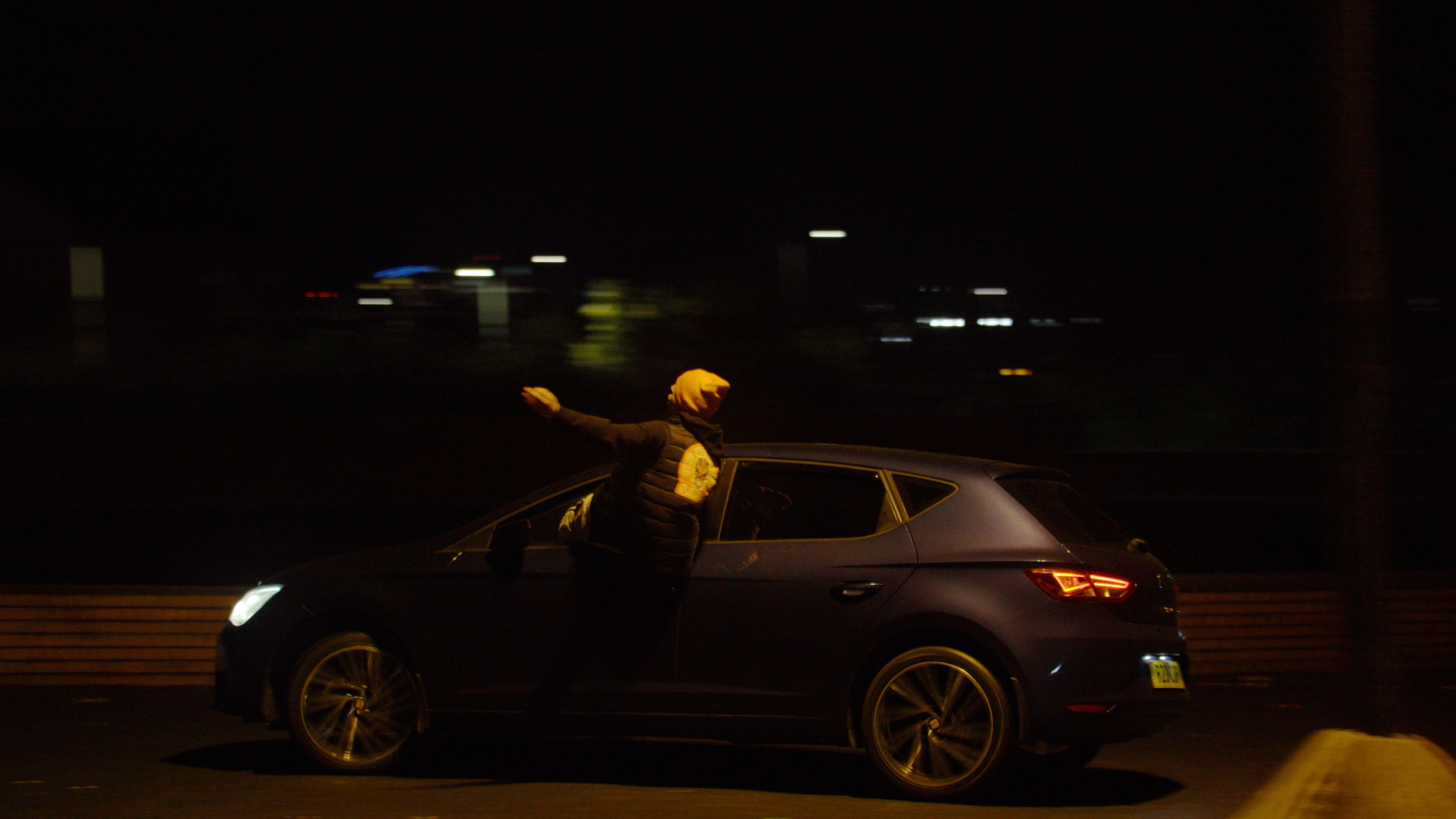
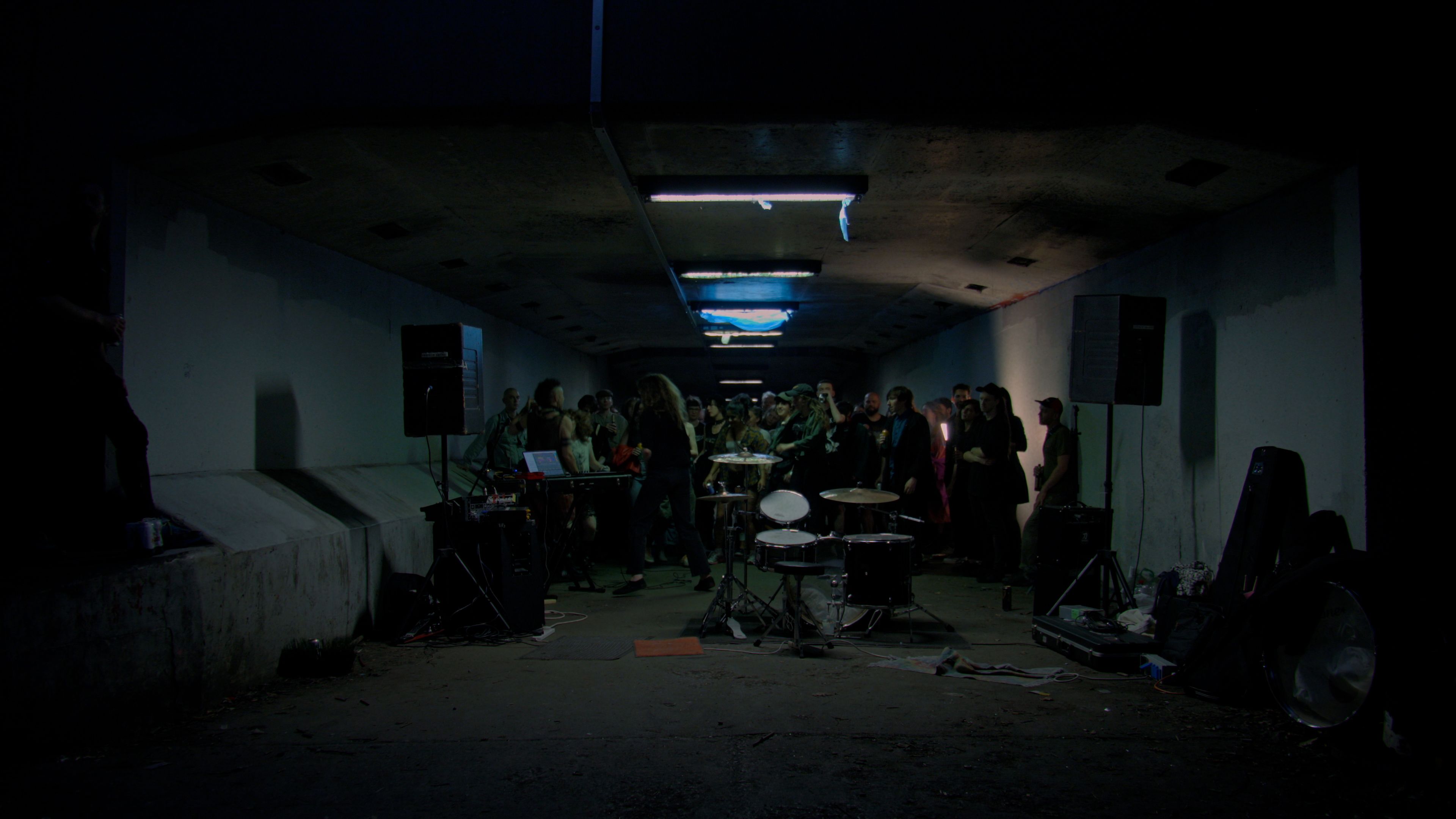
Freely paraphrasing the composer Luciano Berio, there are Musics and musics, and there are Films and films, or, more precisely, films that speak about music or its creators. The flood of such attempts generally teaches us that, in the spirit of yellow journalism—with its sensationalism, glitter, scandals involving illicit substances, and libertine sexuality—they tend to descend into the marginal troubles of the creators themselves, and only rarely sketch out the background of musical creation, or Music itself. By contrast, what we have before us is a bold and successful attempt to portray the new Irish folk scene that has emerged over the past decade, both in Ireland and, to some extent, in its northern Protestant sister. The authors embrace the principle that form should follow content; consequently, there is no room here for pretentious shots, wild, cacophonous editing, or a frenetic rhythm. Camera and cinematography follow the protagonists of this cinematic story—musicians, bands, and other witnesses—in a harmonious and measured fashion, with the two authors capturing them in their everyday lives in a naturalistic style. In rehearsal spaces, on the street, in the pub, or somewhere in between, on the road, where the lyrics and the subsequent sonic accompaniments of the songs are actually born—songs that we hear in the background as well as directly in the foreground of relaxed, ad hoc improvised performances.
The protagonists of this scene are for the most part younger, unencumbered members of Generation Z, moving freely through the embittered historical, political, and social climate of postcolonial Ireland, from its seemingly century-long independence from the British Crown, through its conflicts with traditionalism and the bitter wounds inflicted by the influence of the Catholic Church—with all its abominable deeds—to the struggle for equality and workers’ rights. All of this the artists before us freely chew over, digest, and serve up as sincere musical confessions. There is none of that Western pragmatism here, no dreams of success, no subordination of artistic expression to fashionable sonic recycling, no selling one’s soul and moving to centres of the entertainment industry à la London. No. The utopia of these heirs to Celtic folklore lies precisely in the confidence and humility of what they do: to be what you are and to draw from the roots of your own society and place. Only in this way can musical storytelling, from troubadour singer-songwriters to contemporary hip-hop and electronic departures, resonate within us, as feeling individuals. Everything else is empty kitsch, served up to us daily by the mass media in ever-new packaging of the same content, heard and seen countless times before.
This is why the documentary before us succeeds in bringing this diverse community closer to us, a community united by a common denominator: the coming together and fusion of Celtic-Gaelic tradition with the contemporary perspective of an alert, mindful protest artist. Utopia, as a longing for an unrealised present directed towards the future, is precisely this: a relaxed surrender to the dreams and sensations of the moment within a given environment, accompanied by a desire for a better future for all. Here there is no right or wrong answer, nor a right or wrong course of action. There is only true faith, the kind that makes us curious and free. And finally, an invitation to listen, beginning with Lankum (False Lankum; Rough Trade, 2023), who appear in the film only in the sonic background, but are perhaps the most recognisable band of this generation and scene, having already sold out Ljubljana’s Kino Šiška Katedrala Hall some time ago. Rebellion can also be relaxed and gentle, just as melancholy can be happy and liberating.
Tadej Stolić