

CELTIC UTOPIA

ÚTÓIPE CHEILTEAC
OCTOBER 1 | 16.00
EPICenter
with English and Slovene subtitles
By Dennis Harvey, Lars Lovén
90’
Ireland, Sweden
2025
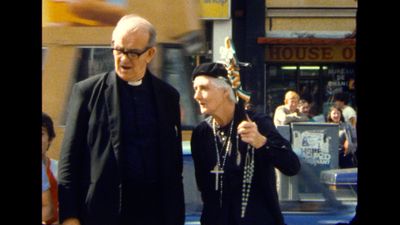
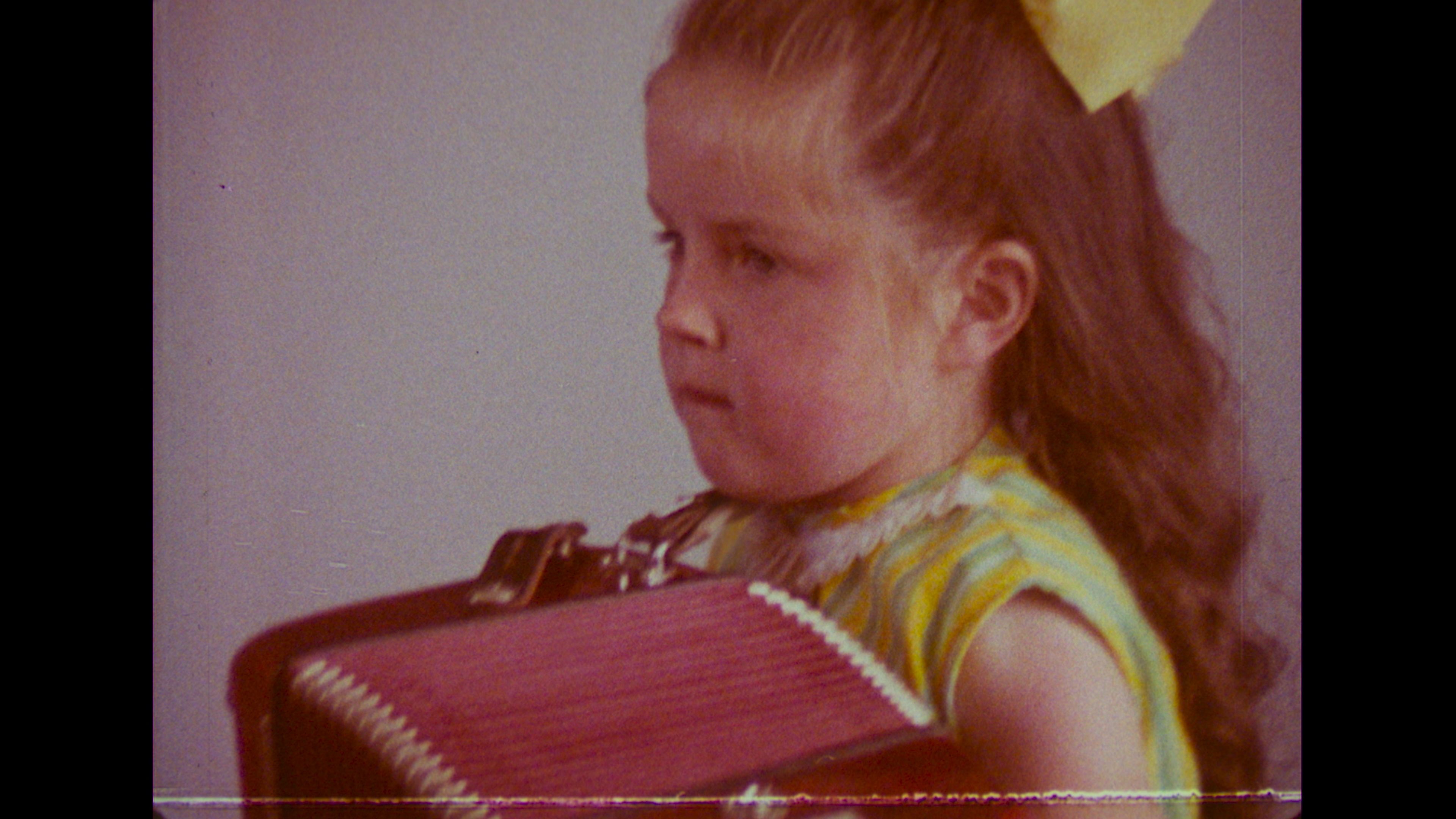
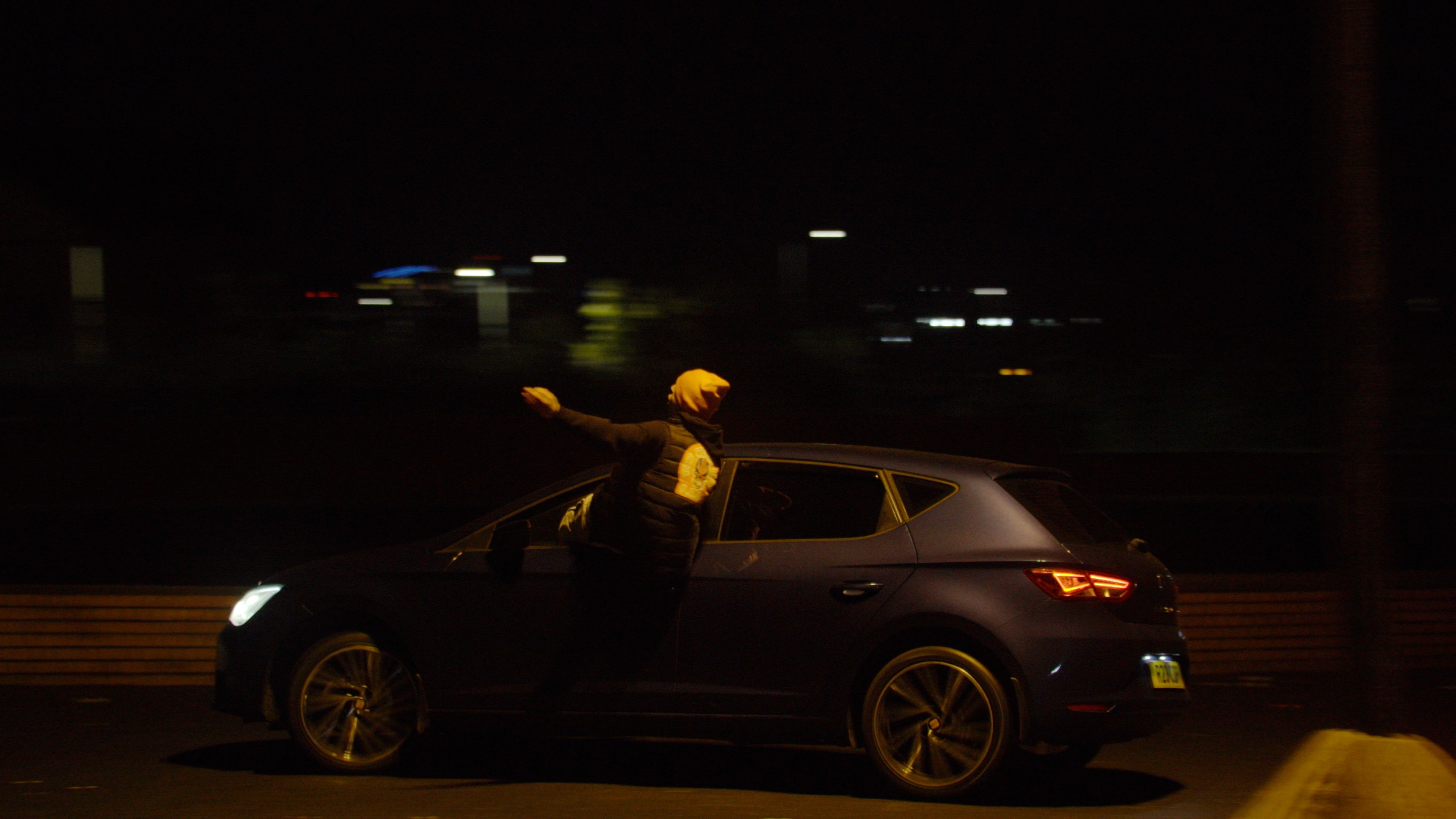
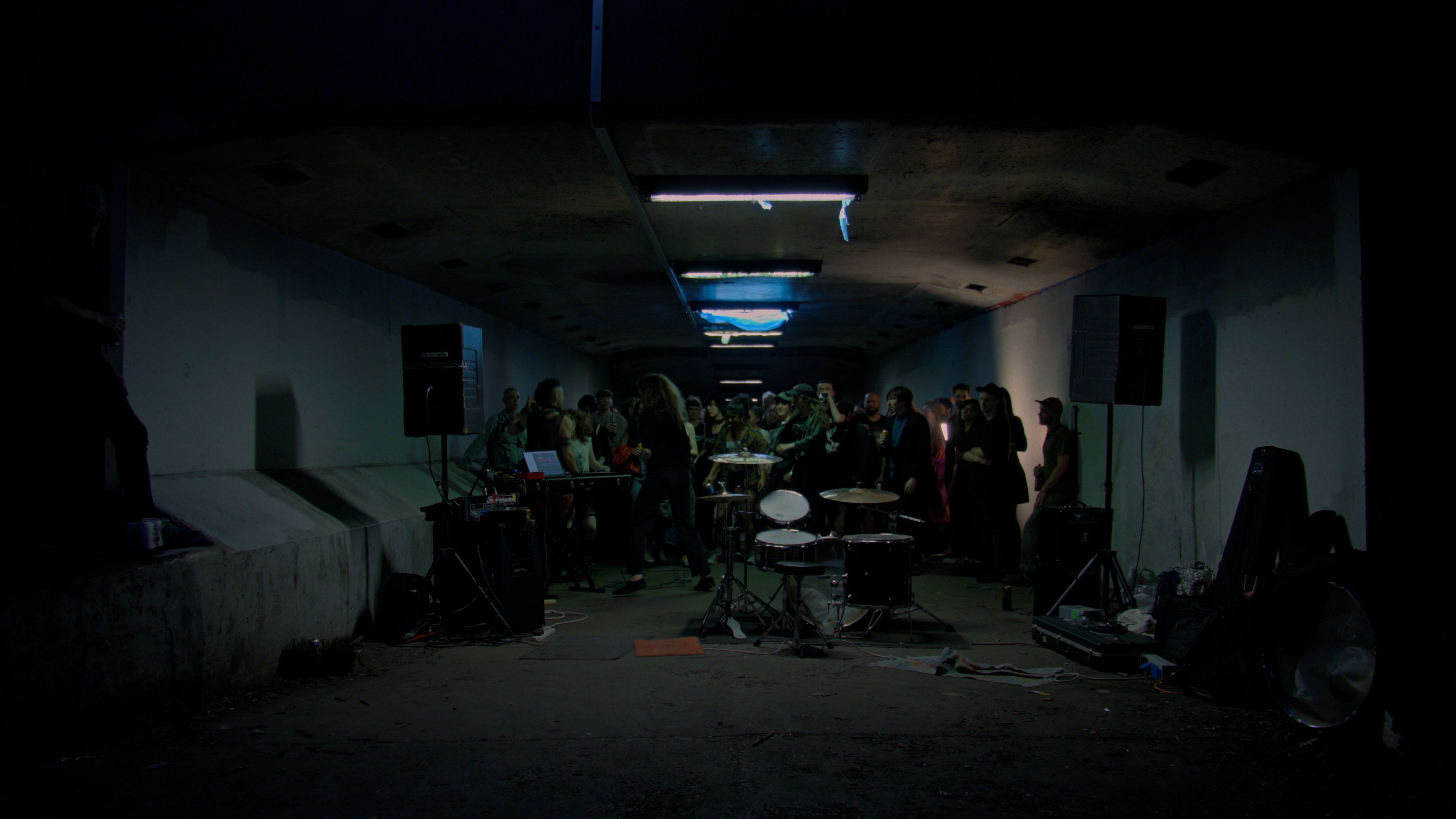
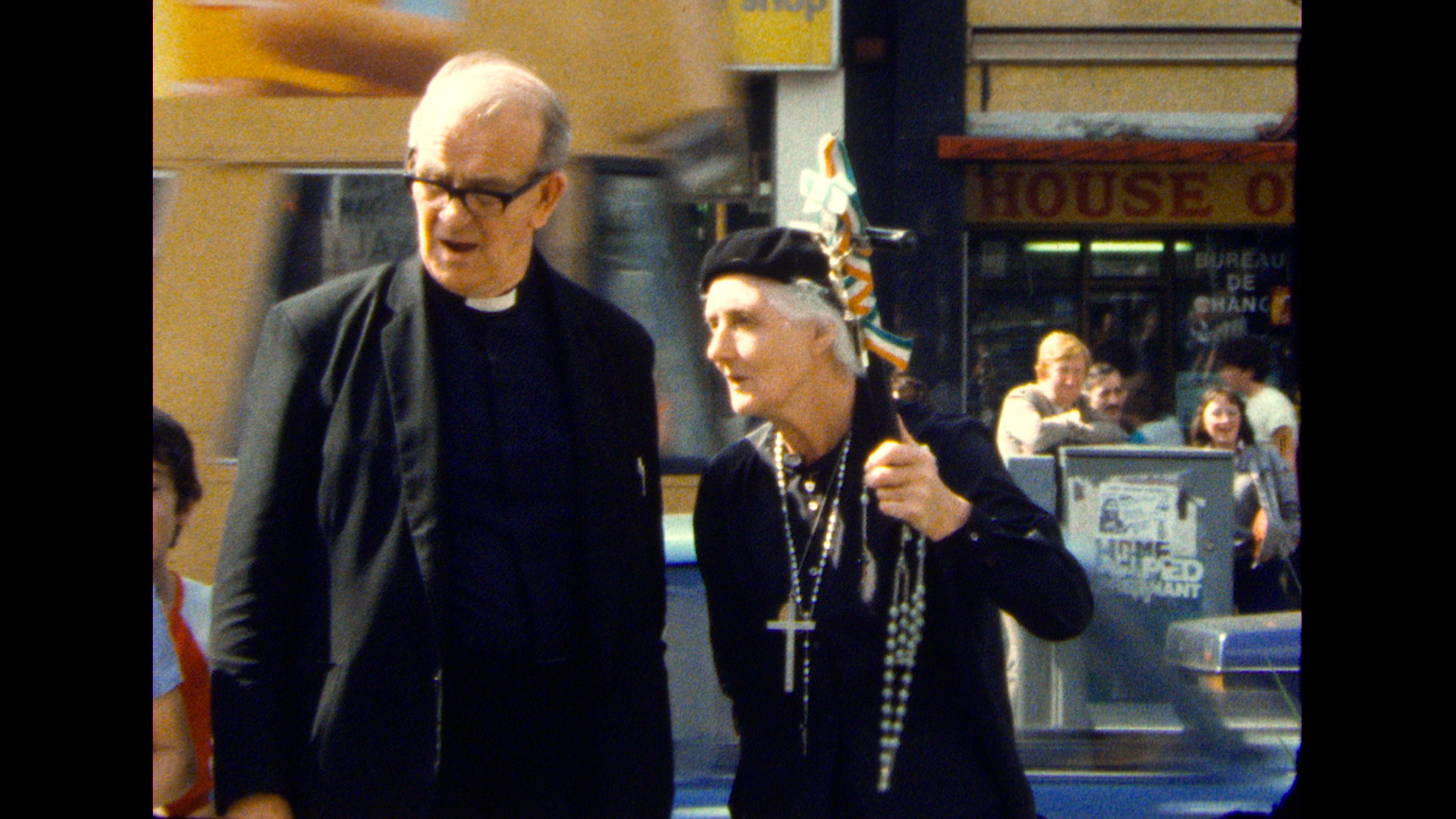
Celtic Utopia tells the story of a new Ireland and its vibrant music scene, as well as a postcolonial society grappling with its legacy. It portrays a society in which folk music carries both the oppression of the past and dreams of a brighter future. The revival of Irish folk music brings together musicians coming from punk, hip hop and many other genres, rediscovering an ancient tradition and taking it in unexpected directions. Archival footage connects the present with Ireland’s turbulent past, creating a multilayered portrait of the island one hundred years after partial independence.
Statement by Dennis Harvey:
More and more young artists are rejecting the postcolonial sense of shame and returning to folk and traditional music, reshaping it musically and politically into something new. As an Irish artist from a generation that was let down by the authorities and their (in)action in the aftermath of the financial crash, I want to tell the story of our Ireland. An Ireland moving away from its dark past, resisting the country’s rigid conservatism and becoming a place young people can be proud of. I have never seen this Ireland represented on screen before, so I am incredibly excited to present it to audiences for the first time.
Statement by Lars Lovén:
Traditional and folk music became a means of constructing national identity after independence, and therefore carry within them everything that has shaped modern Ireland, while at the same time preserving traditional elements. (…) I was fascinated to see artists from genres such as hip hop and punk entering an increasingly vibrant traditional and folk music scene. As I began to discover Irish traditional music in all its complexity, with its tensions and contradictions, I came to understand what these artists are really doing. Traditional music is not merely a source of inspiration; they are also questioning it and using it as a way of confronting their own history.