

About the festival
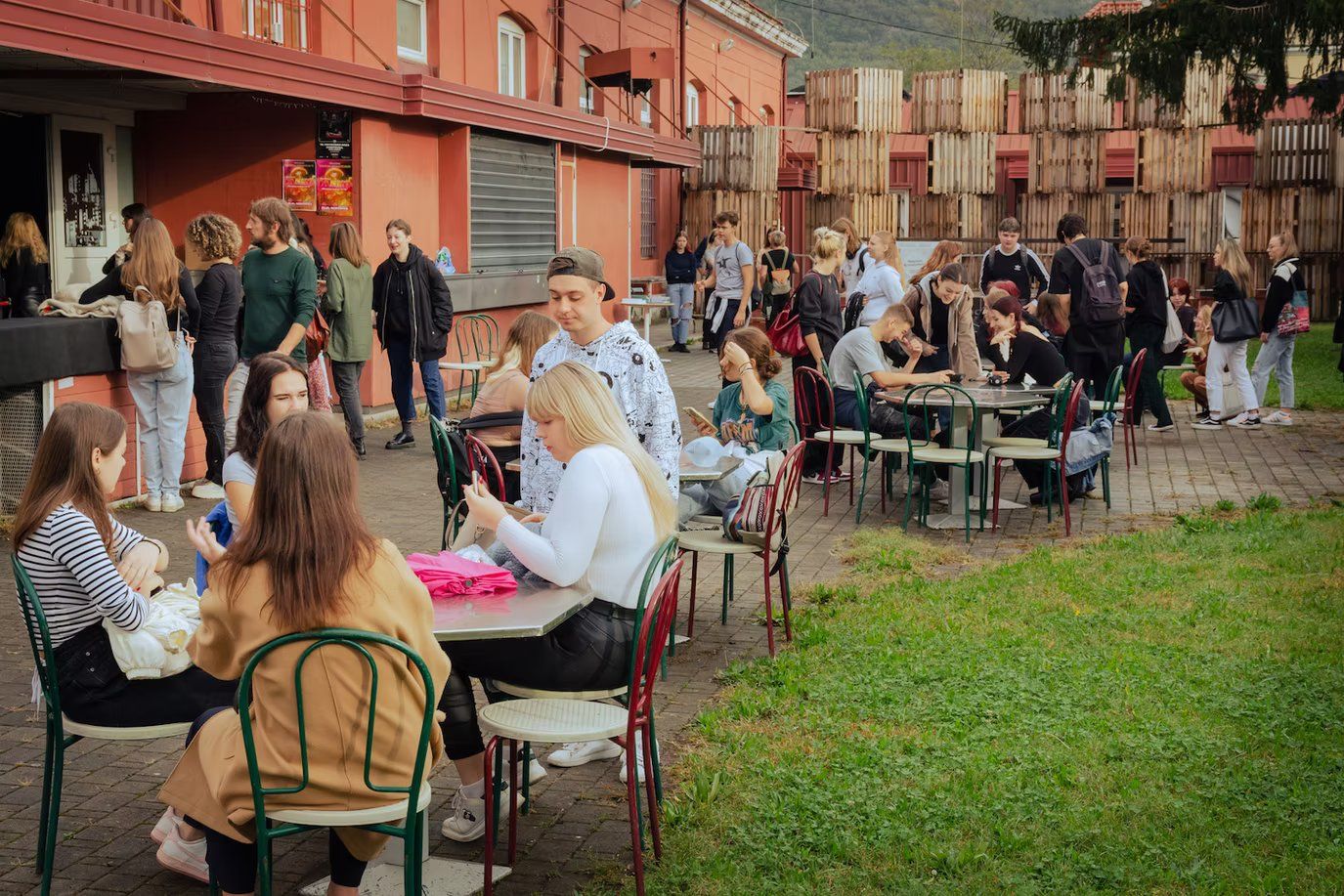
Our main guiding principle remains unchanged: we cooperate with many partners from Slovenia and Italy in order to promote and develop an open, challenging and innovative cross-border film landscape, where the creator and the viewer meet in direct dialogue. We invite visionaries, critical thinkers and creatives who are not afraid of experimentation and see the medium of film as an excellent tool for understanding society.
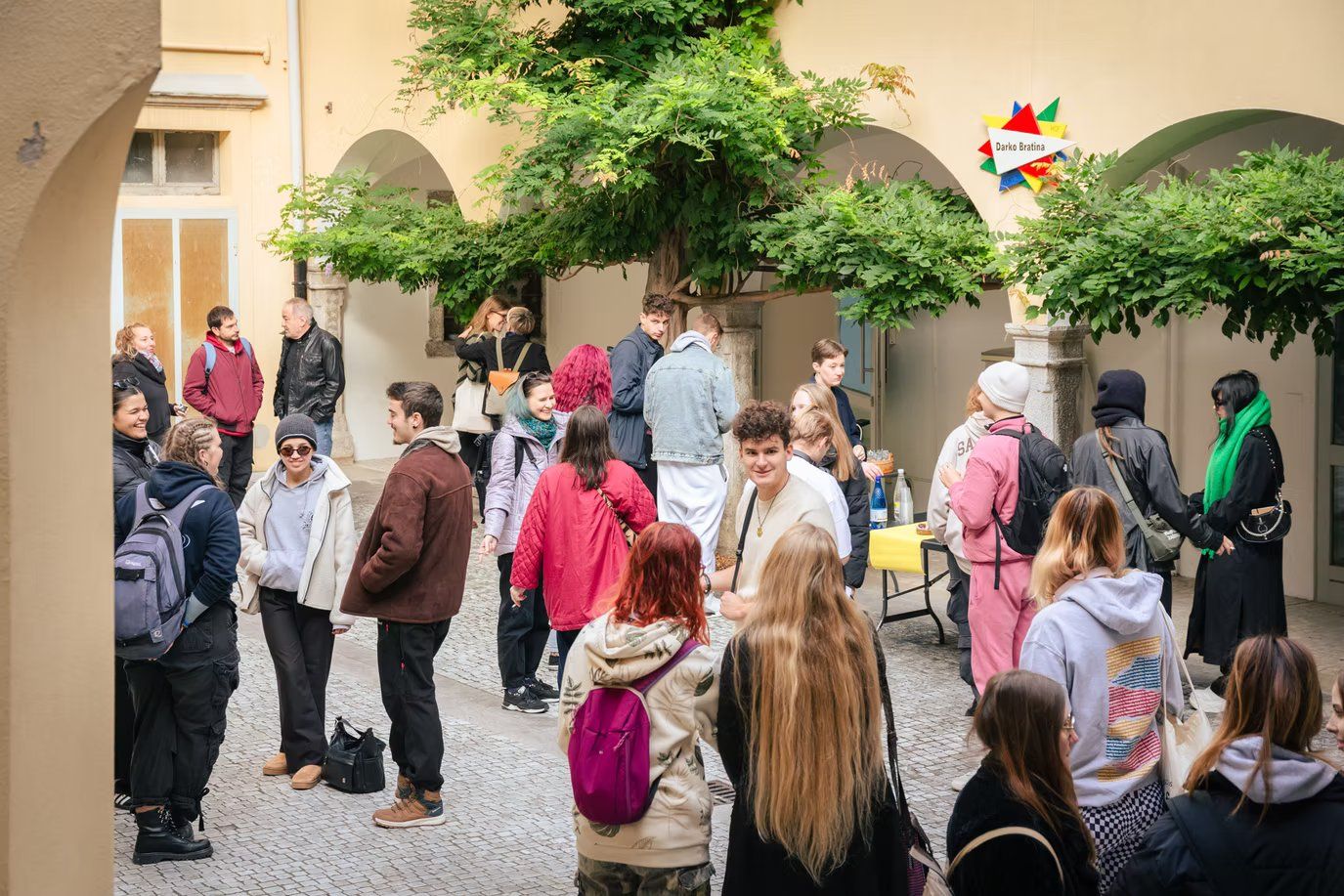
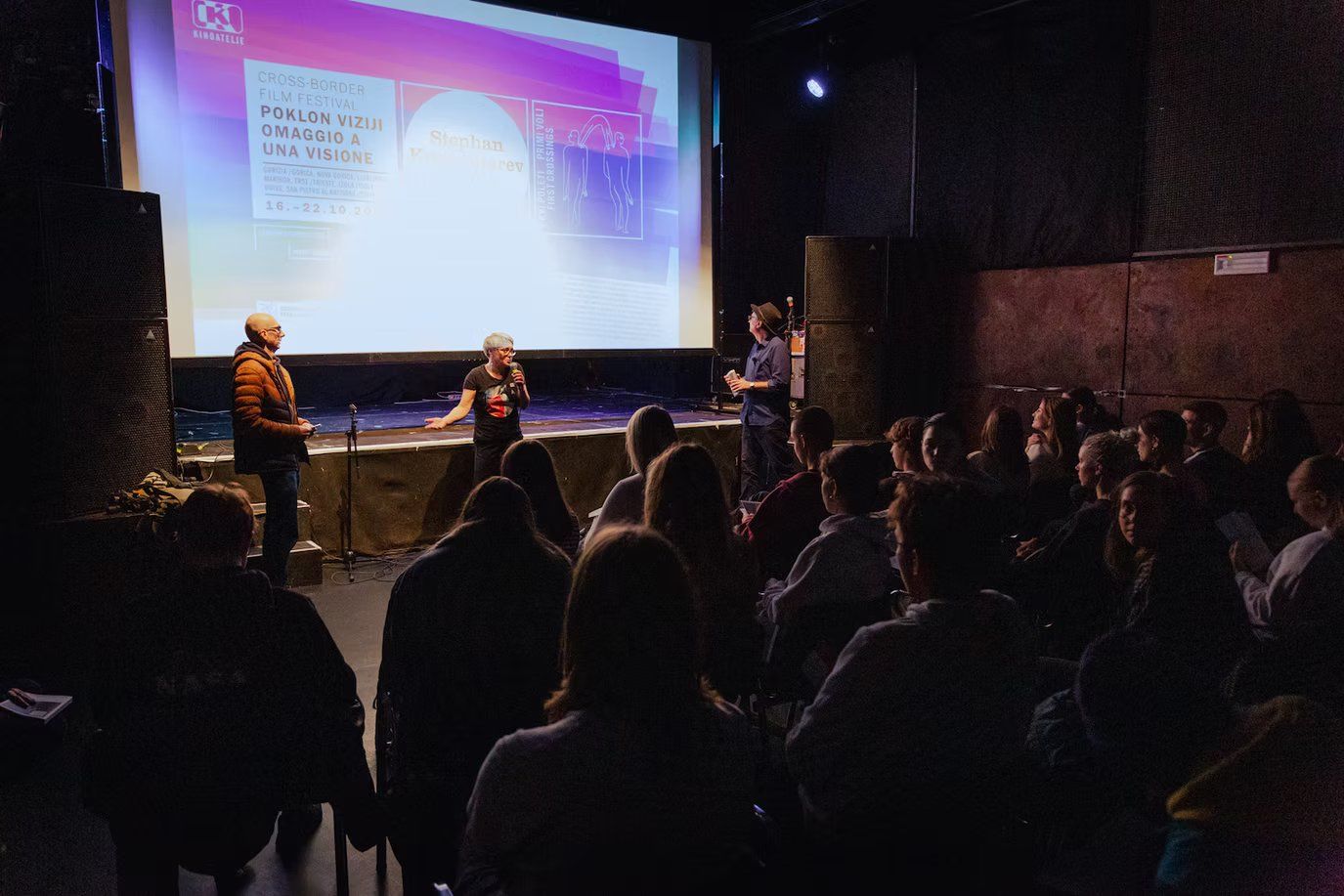
This year's edition clearly indicates the upgrading and expansion of the cross-border film festival Tribute to a Vision with its programming orientation. At the same time, we want the festival to become even more firmly rooted in the Gorica area and grow into a multi-day festival event on the border. The rich program, which will take place at various locations in Nova Gorica, Gorizia and at numerous outposts in Ljubljana, Trieste, Izola, Udine, Špeter, and this year for the first time in Maribor, includes both the works of already established creators, masters of the film industry as well as many young filmmakers who persistently search for new forms of storytelling and problematization of current topics of modern society and bravely explore their own intimate worlds.
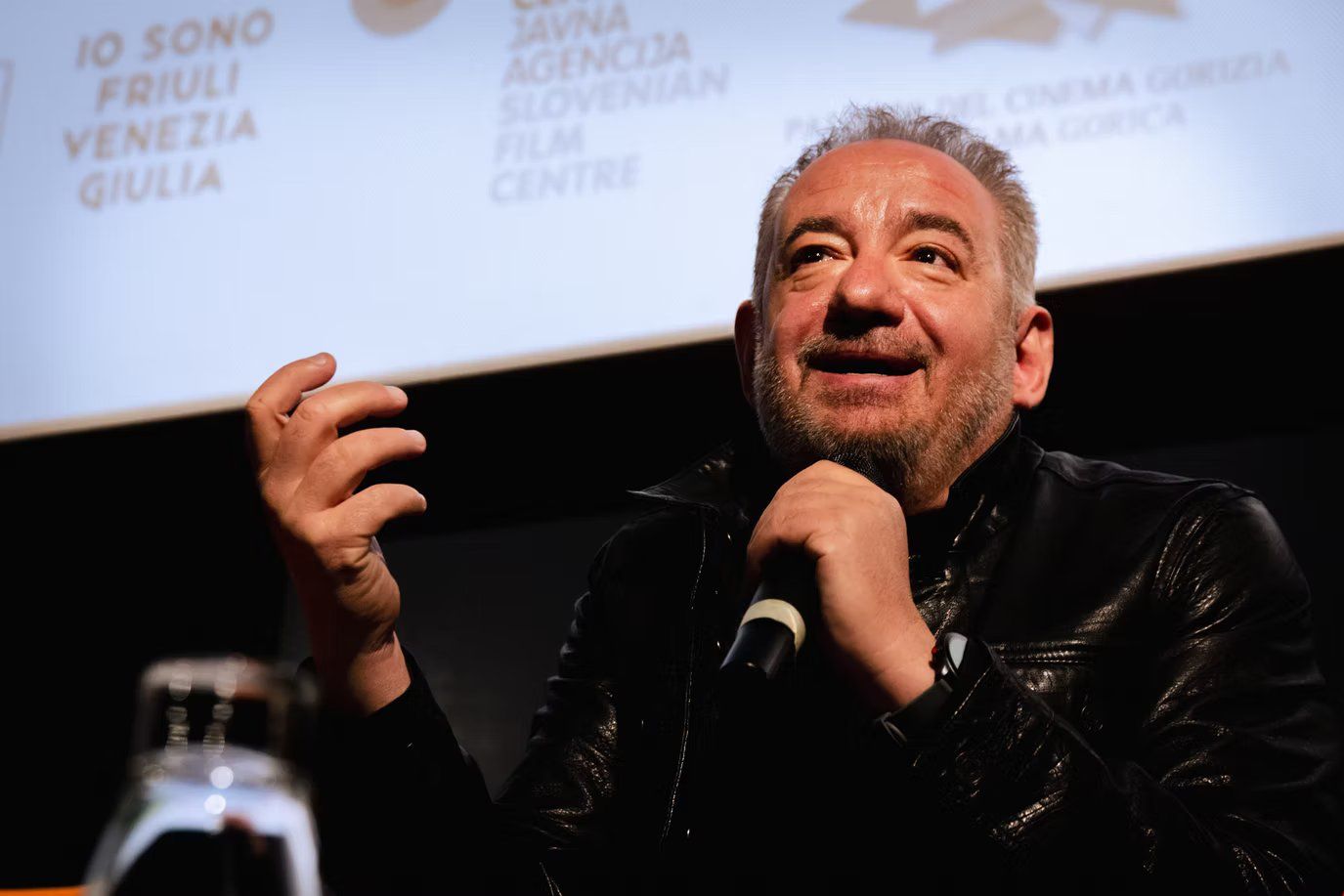
Darko Bratina 2023 awardee and main guest of the festival, Bulgarian director, screenwriter and producer Stephan Komandarev, with his unique opus, which can also be understood as a chronicle of the socio-political conditions of the working class during the transition from socialism to turbo capitalism, detects the nerve points of modern society, and not only Bulgarian ones. He likes to ask questions and at the same time set up a mirror. With his films he invites us to question the meaning of ideology and religion, national and ethnic borders, social imbalances and political corruption. Together with the journalist and writer Dimitar Kenarov and his intervention titled New Order, Old Borders, they will offer us a unique opportunity to get to know Bulgarian culture and society, which is at the same time a part of modern Europe.
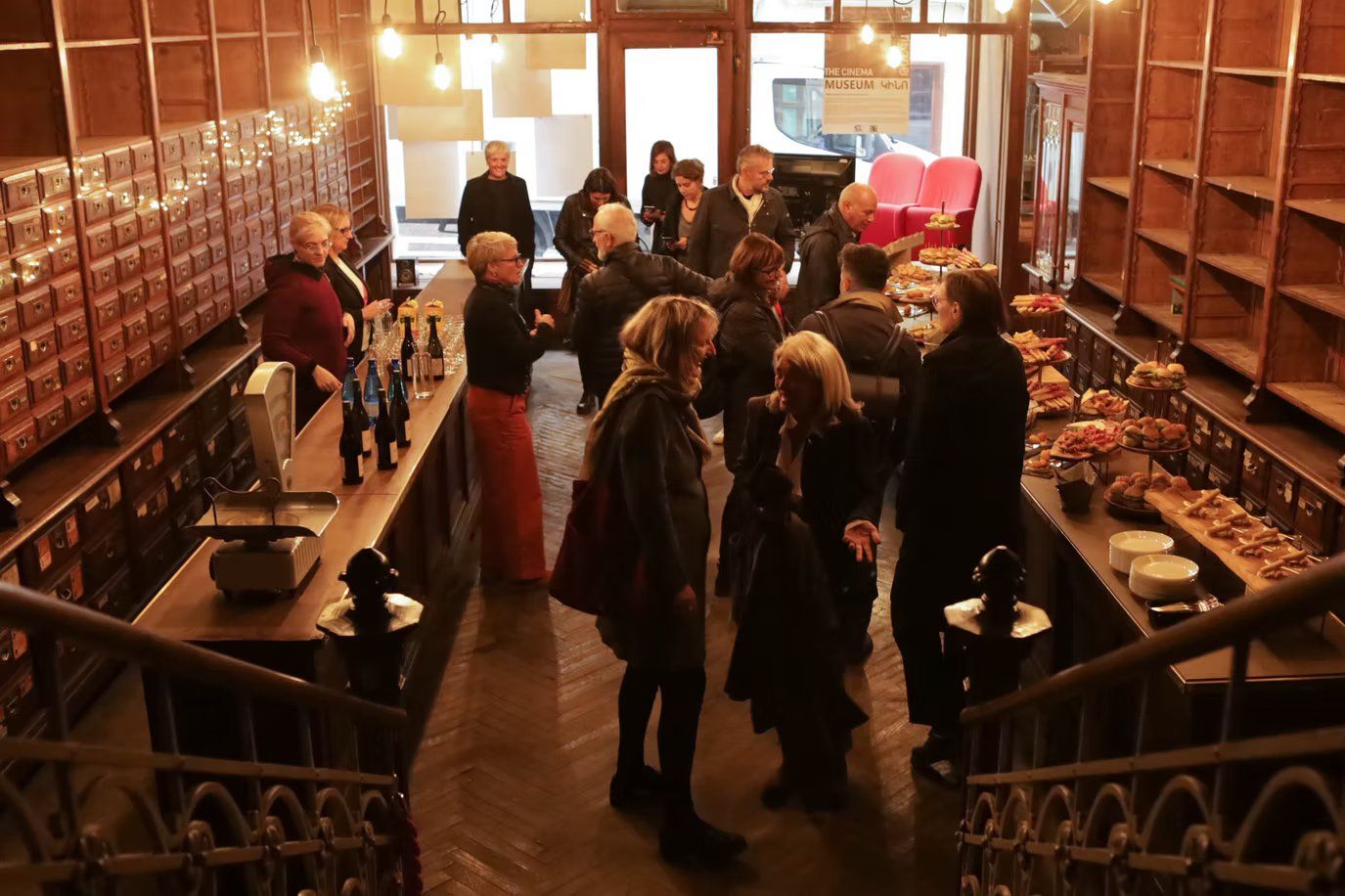
In cooperation with the Association of Armenian Directors of Photography and an Armenian film wizard, friend and director Harutyn Khachatryan, Darko Bratina awardee 2009, we will mark the centenary of Armenian cinema with a selection of short and feature films. We will again screen the film Border (2009), which takes place on the Armenia-Azerbaijan border in the time after the collapse of the Soviet Union, and today, with the mass exodus of Armenians and the abandonment of Nagorno-Karabakh, it has become even more relevant and, unfortunately, timeless. We will round off the mini-retrospective of Khachatrian's works with the film Endless Flight, Eternal Return (2014) and the premiere of the last film Three Graves of the Artist (2023), which will offer us additional cues for reflection on the values of multicultural coexistence, man's endless struggle for happiness, the longing for freedom and the desire to create community.
In the spirit of the expansion of the program, due to the formation of the European Capital of Culture GO! 2025 and with the desire to bring young breakthrough authors and visionaries to our space, we will host the premiere of Italian director Giacomo Abbruzzese and his feature debut, Disco Boy, for which he received several international laurels, including the Silver Bear at this year's Berlinale. It is distinguished by both an original visual image and an emotionally charged narrative of the search for one's own identity in a brutal modern age marked by conflicts, wars and eco-terrorism.
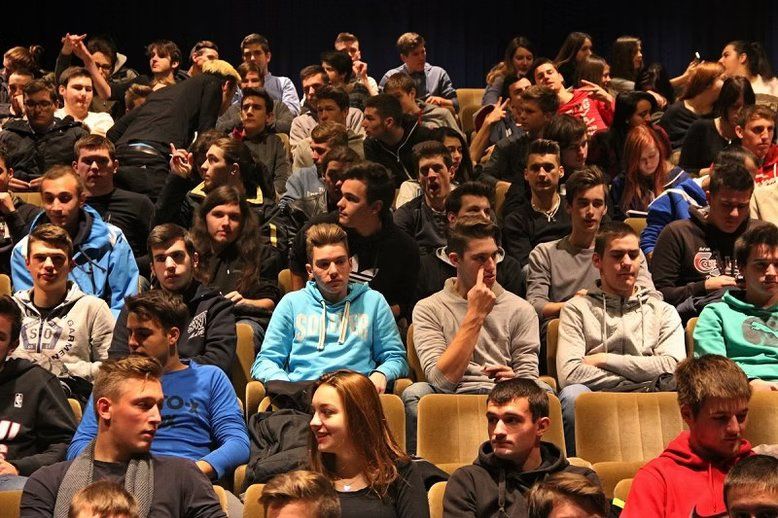
The program section, which is home to the short film form, this year brings more than 50 works from different parts of the world, among which 12 films from international production will compete for the First Crossings award. We pay special attention to local authors, students of the Academy of Arts of the University of Nova Gorica and Dams Cinema of the University of Udine. This year, even younger filmmakers are joining us. We will present the works of students of the Nova Gorica Grammar School and host friends from the CSH secondary art school from Villach. A fresh take on the platform for the development of new film languages offers even more innovative short films of a wide variety of genres in the Eclectic Cinema: Life or Death, which will be presented in the gallery Tir next to Mostovna, and Under the Customs Officer’s Window, which will take place directly on the border inside the premises of the former customs office.
This year we said goodbye to Mako Sajko, one of the greatest pioneers of Slovenian socially engaged documentary film. This October marks the hundredth anniversary of the birth of the Italian director Vittorio de Seta, who placed the documentary film alongside the feature film and offered the key to understanding the documentary form as a photograph of reality, which we tell with the help of poetry. With a program of short films and a lecture Tribute to Sajko & De Seta, we bring into dialogue the works of two iconic filmmakers, innovators and unconventional film artists whose works were ahead of their time and opened up topics that are still relevant today.
For the first time since the establishment of the Darko Bratina award, Aleš Doktorič, friend and longtime president of Kinoatelje, who opened doors to lesser-known worlds and complex premises of cross-border identity with his broad-mindedness, will not be sitting in the auditorium with us. You taught us how to look towards the future, while at the same time respectfully and critically understanding the past. Let this notion remain a guide for the younger generations, so I would like to end this editorial with your words:
"Every community, especially a minority, loves its tradition, but projection into the future is a ripe fruit that must be monitored and nurtured as it grows. Working for the future is precisely creating something new, transforming and surpassing the existing tradition, which is a testimony and heritage of the past and the wealth of every community. Whoever does not guarantee the future lives and works in vain. Thus, archives, libraries, museums were not created for the sake of the past, but for the future. Only the future can preserve a community, such as our community of Slovenes in Italy. Our ancestors invested in their modernity and thus created a legacy. Like them, let us also invest in the present, in a new heritage for the future."